Search Results
559 results for “wet food”

What to Feed a Cat With Bad Breath
Cat bad breath improves through diet, oral care, and vet care when needed: feed high-quality food with antioxidants, enzymes, and prebiotics; limit table scraps and long-term wet food; use dental chews, vitamin B, plenty of water, and probiotics; brush regularly and see a vet if it persists.
How Much Water Does a Cat Need Each Day? Even a Little Less Is a Risk
A cat needs about 40–60 ml of water per kg of body weight daily — roughly 200–300 ml for a 5 kg cat. That total includes water from food: dry food is only 5–10% moisture while wet food and fresh diets are 70–80%. Pregnant/nursing mothers need +50%, kittens (3–6 months) 60–80 ml/kg, and hot, dry, or active conditions call for +20–30%. Chronic shortfalls raise the risk of urinary crystals, kidney disease, and constipation.
How Does a Toothless Dog Eat?
A dog without teeth can still eat kibble — dogs don't chew much anyway, and strong stomach acid plus digestible kibble handle it. For weak guts, pick small, softened kibble, homemade mush, or wet food. Avoid hard chews, bones, and sticky foods, use a shallow non-slip bowl, and feed small meals often.

How to Prevent Feline Idiopathic Cystitis (FIC)
Feline idiopathic cystitis is tied to stress, low water intake, and holding urine. Lower the risk by keeping the home environment stable and calm, encouraging drinking with fountains and wet food, and scooping and sanitizing the litter box in a quiet spot.
My Cat Keeps Biting My Hands — Stop Using Force to Correct It
The moment a cat goes to bite your hand, pull back and stop all interaction, then give it 10–15 minutes alone to calm down. If it has already latched on, hold still and make a sharp 'hiss' (a cat-to-cat warning) until it lets go, then leave. Never use your hands as toys — switch to a long wand teaser — and for teething kittens, swap some wet food for dry kibble plus dental chews.

How to Prevent Dental Disease in Cats
Prevent cat dental disease with quality food (prefer dry kibble), regular brushing from a young age, chew toys, vet check-ups, and a clean environment. Brushing is the cheapest, most effective step — aim for at least weekly — and limit unnecessary wet food that builds tartar.

How to Prevent Bad Breath in Dogs
To prevent bad breath, keep these points in mind: 1) avoid too much wet food and feed a harder, easily digested natural kibble; 2) brush regularly to remove food debris and limit bacteria; 3) give probiotics occasionally to support gut health; 4) see a vet promptly at any sign of oral disease.

Cat Won’t Drink in Summer? 8 Tips to Get It Drinking on Its Own
A healthy adult cat needs about 50-60 ml of water per kg of body weight each day, but dry kibble is only around 5-10% moisture, so summer drinking matters even more. Cats sweat only through their paw pads and ears and cool poorly, so low intake risks heat stress. Practical fixes: use a shallow ceramic or glass bowl (deep bowls annoy whiskers), offer a filtered running-water fountain, keep bowls over 1.5 m from the litter box and place several around the home, rehydrate freeze-dried food, serve wet food in the evening, and offer unsalted broth a few times a week. Senior, obese, and chronically ill cats need closer monitoring for dehydration.

Why Is My Cat’s Tooth Wear So Severe?
Heavy tooth wear in cats can be normal or a warning sign. There are two kinds: physiological wear from chewing, biting, and tooth-on-tooth contact—an unavoidable part of aging that does no harm—and pathological wear from poor bite alignment, bad chewing habits, or over-brushing that wears teeth unevenly or excessively. Causes include under-developed tooth structure, a hard-food or inappropriate-chewing habit, and age. When wear is fast or extreme, it may point to tartar or gingivitis, which need a vet. Protect your cat's mouth with a balanced diet (some dry and some wet food, but no constant hard chewing), regular oral checks, and proper brushing with cat-safe toothpaste and a suitable chew toy.
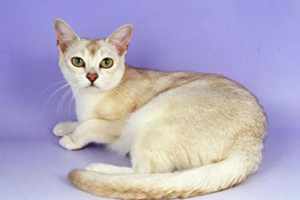
How to Tell If Your Cat Is Dehydrated
An adult cat needs about 150 ml of water a day, but cats dislike drinking, so many drift into chronic dehydration and later urinary trouble. Two home checks: stool - if it comes out in hard, dry pellets the cat is already short on water (the body pulls moisture from waste); and urine clumps - an adult's clump should be about a third of a palm, once or twice a day, so a ping-pong-sized clump is a red flag. Remember, you judge by what goes out, not what goes in. Fix it with a fountain cats prefer and wet food or rehydrated freeze-dried meals.