Search Results
559 results for “wet food”

Why Your Cat Keeps Entering the Litter Box
A cat that repeatedly visits the box but produces little or no urine is likely blocked — a medical emergency. Causes range from salty food and a dirty box to stones or tumors obstructing the urethra. Get an ultrasound and X-ray promptly; delayed blockage can cause kidney failure or a ruptured bladder.

Why Cats Get Diarrhea When the Weather Changes Suddenly
Cats are sensitive to abrupt temperature swings, and a sudden cold snap can trigger stress-related diarrhea as gut motility speeds up. At home, keep their bedding warm, skip frequent winter baths, and use a cat probiotic mixed into food or warm water to steady digestion and rebalance gut flora.
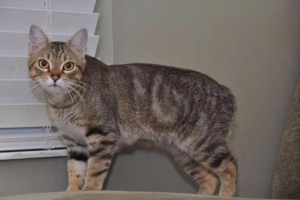
Feeding a Pregnant Cat: Diet Before, During, and After Birth
A pregnant queen's needs shift hard — her intake climbs to 1.5–2× normal by delivery, so transition her to calorie-dense kitten food over seven days and keep calcium steady. After birth she loses about 40% of the pregnancy weight gain and needs energy-rich, calcium-supplemented food, with free feeding while the litter is large.
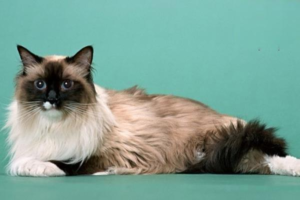
Why Your Cat Has No Appetite but Still Acts Normal
A cat that skips meals but stays bright is rarely sick — the usual culprits are a seasonal dip, treat-driven pickiness, heat, mood, or stale food, with oral disease the one to rule out by checking the gums. As long as the energy holds, fix the routine (set mealtimes, fewer snacks) and watch; a vet visit is only urgent if the spark fades too.
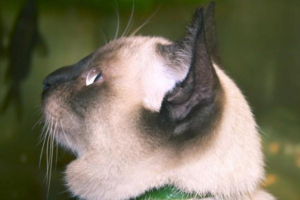
Feline Stomatitis: The Complete Guide
Feline stomatitis is a painful, relapsing inflammation of the whole mouth — gums, oral mucosa, and pharynx — driven by an over-active immune response to plaque and viruses like calicivirus. Signs run from foul drooling and weight loss to a cat that stops grooming and hides in pain; treatment pairs steroids and antibiotics with dental cleaning, and extracting the premolars and molars resolves or greatly eases symptoms in roughly two-thirds of cats.

How to Prevent Megacolon in Cats
Megacolon is a chronic enlargement of the colon that shows up first as persistent constipation, and about two-thirds of cases are primary with no clear cause. Keeping a cat hydrated, high in fiber, at a healthy weight, and well-groomed is the best prevention; severe cases need enemas or surgery.

Cat Kidney Failure: Symptoms and Treatment
Kidney disease is a leading killer of cats, and renal failure comes in two forms — acute (ARF), often from blockage, toxins like antifreeze, or infection and reversible with fast care, and chronic (CRF), a progressive, permanent decline common in older cats. Management means prescription renal food, ongoing meds, appetite support, and plenty of water; catch it early, because CRF hides until uremia appears.

How Dangerous Is Urinary Blockage in Male Cats?
Urinary blockage is one of the most common — and most recurring — emergencies in male cats, and if untreated it damages the kidneys and can kill. Watch for frequent, strained, bloody, or absent urination, and prevent it with water, the right diet, low stress, and exercise.

What to Do When a Dog’s Gastroenteritis Keeps Coming Back
Recurring gastroenteritis shows up as vomiting, foul watery diarrhea, abdominal pain, and dehydration, often driven by overeating, contaminated food, or weak gut immunity. Prevent flare-ups with fresh clean water, fixed meal portions, and slow-feeder bowls; see a vet promptly if dehydration sets in.
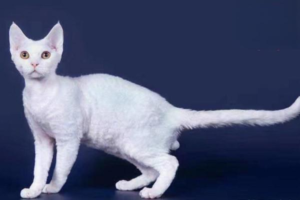
Cold Symptoms and Fever in Sphynx (Hairless) Cats
Sphynx (hairless) cats lack a fur coat and lose heat far more easily, so they catch colds more readily than other breeds. Mild cases with a low fever under 39.5°C can often recover at home with warmth and supportive care, but a cat that won't eat, grows weak, or fails to improve needs prompt veterinary attention.