Search Results
316 results for “water training”

Anglo Mink
The Anglo Mink is the domesticated pet ferret (Anglo / Marshall lines) kept as a companion animal. Intelligent, gentle, and easy to litter-train, it is heat-sensitive and mischievous when unwatched, needs a large wire-free cage and 4+ hours out daily, and eats a meat-based diet (30–35% protein, 15–20% fat). Lifespan 8–12 years.

Angora Rabbit
The Angora Rabbit is the fluffy 'grass-mud rabbit' kept for its superfine wool (11 microns, finer than cashmere). Gentle but high-maintenance, it needs shearing every 3–4 months and constant hay to avoid deadly wool block (hairball impaction). Lifespan about 5–7 years.

Green Arowana
The Green Arowana is the gentle, pale green-silver variety of the Asian arowana — less vivid and less costly than the golden or red forms, but unusually peaceful and mixable with other large fish. A big fish needing a covered 1.5 m tank at pH 6–7 and 25°C, it lives 10–12 years on a carnivorous diet of shrimp, insects, and lean meat.

Parrotfish
The parrotfish (family Scaridae) is a brilliantly colored marine reef fish named for its beak-like mouth; adults reach 1.2 m. It likes warm, soft, acidic water and well-oxygenated tanks, and at night spins a mucus 'cocoon'.

Heatstroke and Sunstroke in Dogs: Symptoms, Treatment, and Prevention
Heatstroke and sunstroke—together called heat illness—overwhelm a dog's ability to shed heat, sending body temperature dangerously high and damaging the brain and organs. Large and short-nosed breeds are most at risk, and rapid cooling with veterinary care is lifesaving.

Urolithiasis (Urinary Stones) in Dogs and Cats
Urolithiasis is the presence of stones anywhere in the urinary tract - kidneys, ureters, bladder, or urethra - causing painful, difficult urination and blood in the urine. It is linked to diet, low water intake, mineral imbalance, and infection. Diet change, medication, or surgery removes the stones.

Urethral Stenosis and Obstruction in Dogs and Cats
Urethral stenosis and obstruction occur when the urethra narrows or becomes blocked, preventing normal urination. Male dogs and cats are most at risk. A complete blockage is an emergency that can lead to bladder rupture, peritonitis, kidney failure, or uremia if not treated immediately.

Urethritis in Dogs and Cats
Urethritis is inflammation of the urethra that makes urination painful and frequent, with cloudy or blood-tinged urine in severe cases. It is usually caused by a bacterial infection ascending from the lower urinary tract. Veterinary treatment with antibiotics and supportive care resolves most cases.
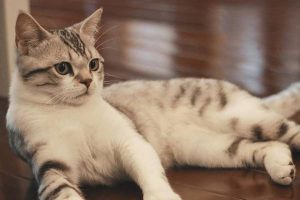
Rhinitis in Dogs and Cats: Symptoms, Treatment, and Prevention
Rhinitis is inflammation of the nasal mucosa, producing congestion, swelling, nasal discharge, and sneezing. It may be acute or chronic and is managed by clearing the nasal passages and treating the underlying cause, often with antibiotics when bacterial.

Rectal Prolapse in Dogs and Cats
Rectal prolapse is the turning inside-out of rectal tissue through the anus, ranging from a small mucosal bulge to the full-thickness rectum protruding. It is most common in young dogs and follows straining; treatment is manual replacement or surgery plus antibiotics.