Search Results
316 results for “water training”

Megacolon in Dogs and Cats
Megacolon is an abnormal stretching and enlargement of the colon, seen in congenital and secondary forms, that leads to persistent constipation and stool accumulation. Treatment centers on enemas, laxatives, and dietary change, with surgery reserved for severe or obstructive cases.

Constipation in Dogs and Cats
Constipation is the difficult or absent passage of stool as fecal material hardens and accumulates in the bowel, eventually distending the intestine. It most often affects older dogs and cats and causes straining, discomfort, and loss of appetite; management ranges from enemas and stool softeners to surgery in severe cases.

Colitis in Dogs and Cats
Colitis is inflammation of the colon that causes acute or chronic diarrhea in dogs and cats, often with straining, mucus, and blood in the stool. Treatment combines anti-diarrheal and anti-inflammatory medication with dietary management.
What Are the Symptoms of Constipation in a Rabbit?
Constipation brings reduced appetite, weak or absent gut sounds, lethargy, and straining. Early on, small hard droppings appear, then frequency drops until no stool. Adjust diet, water, and exercise; see a vet if severe.

What to Do When Your Dog Refuses to Toilet at Home During Quarantine
Dogs trained to relieve themselves outdoors often refuse to go at home during lockdown. Help them by setting up a familiar toilet spot with pee pads, adding their own scent, mimicking outdoor ground, and encouraging water intake—and ease their stress with play.

How to Train Your Dog
Obedience training builds a safer, happier relationship with your dog through reward-based methods. Core rules include making training fun, teaching basic commands, avoiding punishment, and using the most motivating rewards.
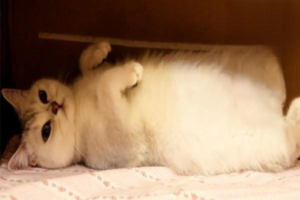
What Signals Show When a Cat Is Sick
Cats are highly tolerant animals; when sick they hide it until they stop eating or drinking, by which time owners rush to the clinic.
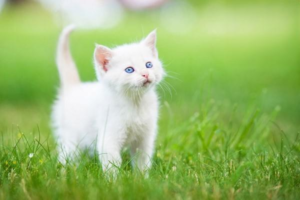
What to Do When Your Cat Keeps Peeing on the Bed
Recently, the most frequently asked question: what do I do when my cat keeps peeing on the bed? We previously shared a guide on inappropriate urination, but some said it was not clear enough in practice. This time we systematically and thoroughly summarize it! Please read and understand it repeatedly, and feel free to add your own tips.
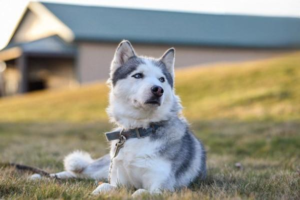
Tips for Caring for an Older Dog
Age is not a disease, but senior dogs need help: add rugs for traction on slick floors, raise food bowls to shoulder height, keep them cool in summer, use car ramps and indoor steps, give an orthopedic bed, and keep both body and mind active with short outings and new games.
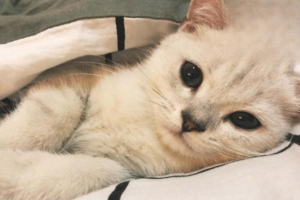
How to Train Your Cat to Use the Litter Box
Cats may seem untrainable, but they respond to cues when there is a reward in it for them. Use food rewards paired with a sound to teach any behavior—including proper litter box use. Never punish inappropriate elimination; it raises stress and makes the problem worse.