Search Results
862 results for “water changes”

Constipation in Dogs and Cats
Constipation is the difficult or absent passage of stool as fecal material hardens and accumulates in the bowel, eventually distending the intestine. It most often affects older dogs and cats and causes straining, discomfort, and loss of appetite; management ranges from enemas and stool softeners to surgery in severe cases.

Colitis in Dogs and Cats
Colitis is inflammation of the colon that causes acute or chronic diarrhea in dogs and cats, often with straining, mucus, and blood in the stool. Treatment combines anti-diarrheal and anti-inflammatory medication with dietary management.

Acute Enteritis in Dogs and Cats
Acute enteritis is a sudden inflammation of the intestinal wall that causes digestive upset, abdominal pain, diarrhea, and fever in dogs and cats of any age or breed. Young animals tend to be affected more severely; treatment focuses on rehydration, controlling vomiting, and treating the underlying cause.
What Causes Fish to Become Oxygen-Deprived?
Low dissolved oxygen in the water is the direct cause - from overstocking, aging water, excess plants/algae, high temperature, pollution, or illness. Keep stocking light and refresh water regularly.

How to Prevent Arowana Fright
Arowana fright is common and hard to eliminate entirely, so owners should both prevent it and know how to respond. Give new fish quiet time to adapt, keep tankmate sizes matched, maintain stable warm water, and limit pets/children near the tank; for an already-startled fish, the 'old three' (heat, salt, water change) usually helps.

How to Treat Scale Loss in Blood Parrot Cichlids
Find the cause before treating scale loss in blood parrot cichlids: fighting from overcrowding, poor water with bacteria (leading to red-skin disease or fungus), or injury. Fix overcrowding with a bigger tank or separation and yellow powder; clean the water and add salt or potassium permanganate; for red-skin or fungal disease, isolate, disinfect the tank, and use salt/permanganate or furacillin baths.
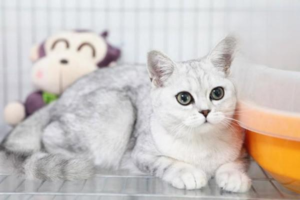
Sudden Stress Response in Cats
It is often said that a cat's stress response can cause very serious consequences. Today we talk about the cat's stress response. It is said that cats are like women, which is because cats are emotionally very sensitive creatures; various environmental changes, even some noise, may trigger a cat's stress response.

Signs of Obesity in Cats
Obesity refers to the excessive accumulation of body fat. At least 25% of cats are considered obese or at risk of becoming obese, which is the most common nutrition-related health condition in pets.

Dry Eye (Keratoconjunctivitis Sicca) in Dogs: Symptoms and Treatment
KCS, or dry eye, is an eye disease in dogs caused by a lack of the watery tear layer, an inflammation of the cornea and conjunctiva from dryness. This article explains the symptoms of dry eye and how it is diagnosed and treated.

Diagnosis and Treatment of Dog Near-Drowning
Near-drowning is defined as survival for more than 24 hours after being fully submerged. This article explains the stages of near-drowning, how fresh and salt water differ, and the diagnostic tests and treatments veterinarians use.