Search Results
862 results for “water changes”

Stripe-necked Leaf Turtle
The Stripe-necked Leaf Turtle (Cyclemys tcheponensis) has a broad distribution and healthy wild populations, and even wild-caught individuals adapt well to human care. A semi-aquatic species, it favors shallow water adjoining land; adults prefer fruit while juveniles lean toward meat.
Brown Roofed Turtle
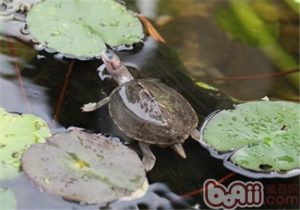
The Brown Roofed Turtle (Pangshura smithii) is a relatively uncommon member of the roofed turtle genus, comprising two subspecies—the nominate Smith's roofed turtle and the white-footed roofed turtle, distinguished by the absence of black markings on its plastron. A semi-aquatic omnivore, it inhabits riverbed mud across the Indian subcontinent and enjoys basking.

Exotic Shorthair
The Exotic Shorthair — everyone's "Garfield cat" — pairs the Persian's plush look with a short, easy-care coat. Sweet, calm, and affectionate, it's one of the most laid-back cat breeds to live with.

Aflatoxin Poisoning in Dogs and Cats
Aflatoxins from mouldy food damage the liver, causing vomiting, jaundice and lethargy and, with long exposure, liver failure. There is no antidote, so prevention and prompt toxin removal are key.

Lead Poisoning in Dogs and Cats
Lead is a heavy metal that most often poisons young pets after they chew paint, batteries or contaminated water. It causes nervous signs such as seizures, aggression and incoordination, plus anaemia and urinary irritation.

Arsenic Poisoning in Dogs and Cats
Arsenic compounds are extremely toxic and cause severe haemorrhagic gastroenteritis with later nervous-system and marrow signs. Removing the toxin and chelation therapy are the basis of treatment.
Hepatic Encephalopathy in Dogs and Cats
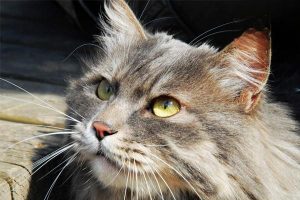
Hepatic encephalopathy is a neurological syndrome in dogs and cats caused by liver dysfunction that allows toxic metabolites such as ammonia to reach the brain. It produces recurring signs ranging from lethargy and ataxia to seizures, circling, and coma, and is often triggered by high-protein meals, gastrointestinal bleeding, or dehydration.

Urolithiasis (Urinary Stones) in Dogs and Cats
Urolithiasis is the presence of stones anywhere in the urinary tract - kidneys, ureters, bladder, or urethra - causing painful, difficult urination and blood in the urine. It is linked to diet, low water intake, mineral imbalance, and infection. Diet change, medication, or surgery removes the stones.

False Pregnancy in Dogs and Cats
False pregnancy is a hormone-driven syndrome in which an unbred female shows pregnancy-like signs such as nesting, lactation, and behavior change. Mild cases resolve on their own, but pyometra must be ruled out; hormone therapy or spaying helps recurring cases.

Colds in Dogs and Cats (Upper Respiratory Infection): Symptoms, Treatment, and Prevention
A 'cold' in dogs and cats is an acute illness of the upper respiratory tract marked by nasal discharge, rapid breathing, and fever. It is often highly contagious and viral in origin, and is managed with supportive care and, when needed, antibiotics for secondary infection.