Search Results
862 results for “water changes”
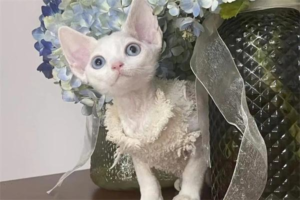
How to Prevent Feline Idiopathic Cystitis (FIC)
Feline idiopathic cystitis is tied to stress, low water intake, and holding urine. Lower the risk by keeping the home environment stable and calm, encouraging drinking with fountains and wet food, and scooping and sanitizing the litter box in a quiet spot.
How large can an axolotl grow?
Axolotls usually reach 20 to 30 cm, with well-kept individuals over 40 cm. Feed high-protein foods and keep water temperature and quality stable to support growth.
What should I do if my Brazilian turtle won’t eat turtle food?
New turtles need 2 to 3 days to adjust; water below 20 C stops feeding and below 15 C causes hibernation, while over 35 C also kills appetite. Persistent refusal may mean enteritis.

Does Strong-Smelling Cat Urine Mean Illness?
Cat urine naturally contains ammonia and other compounds, so some odor is normal — especially in unneutered toms, whose pheromone-laced urine marks territory and smells stronger. Diet, water intake, and litter type also affect odor. But a sudden, unusually strong or sweet smell with little urine, frequency, or pain can signal a UTI, stones, or kidney disease; a sweet scent in particular may mean diabetes — see a vet.
How to Comfort a Cat After It Gets Scared
Move a scared cat to a quiet, enclosed space (a bedroom or carrier) with its familiar blanket and toys, close doors and curtains, and use a pheromone spray. After it settles, crouch about a meter away, offer a finger for it to sniff, then pet the forehead or chin. Keep the home calm for 24 hours. Watch for signs of true stress — not eating, vomiting, or straining to urinate — and see a vet if they appear.

Why Is Your Dog’s Stool Dry and Came Out in Pellets?
Healthy dog stool is a soft, formed log; dry, pellet-like droppings usually mean the gut is short on water. Common triggers are low water intake, a diet too high in protein, fat, or fiber, slow digestion, a dry environment, low activity in seniors, or drug side effects. Left alone it can lead to constipation, so boost hydration and add fiber-rich pumpkin or banana to keep things moving.

What Causes a Cat’s ‘Glass Stomach’?
A cat's 'glass stomach' (chronic sensitivity) usually comes from poor diet (frequent food switches, intolerances, low-quality kibble, human food), irregular feeding, stress, or dental issues. Past illness (panleukopenia, parasites, gastritis, pancreatitis, hairballs) can also damage the gut lining. Fix diet, add probiotics, cut stress, and see a vet for ongoing vomiting, diarrhea, or weight loss.
Why Does My Cat Keep Meowing in the Early Morning?
Early-morning meowing is usually normal — cats are crepuscular hunters wired to be active at dawn and dusk, and they may simply be hungry, thirsty, or asking for the balcony. It can also become a learned habit if you always get up to feed or play when they cry. The fix is to ignore the crying until they quiet down, then reward calm behavior, and tire them out with play before bed.
Meet the Siamese Cat: A 3-Minute Guide
The Siamese is an ancient palace cat from 14th-century Thailand (then Siam), weighing 8–14 lb for males and 6–10 lb for females, with pointed colors like seal, blue, lilac, chocolate, red, and cream. Its signature trait is temperature-sensitive fur: tyrosinase works faster when cold, so winter deepens the coat and age darkens it. Siamese are dog-like — clingy, energetic, curious, and talkative — and adapt well, making them a good choice for first-time owners.

What Is the Lowest Temperature a Chinchilla Can Tolerate?
A chinchilla can tolerate temperatures down to about 5°C (41°F) thanks to its dense fur, but sustained cold below that causes shivering, appetite loss, and even respiratory illness. Far more dangerous is heat—above 28°C (82°F) a chinchilla can overheat and suffer fatal heatstroke.