Search Results
862 results for “water changes”

What to Feed a Cat With Bad Breath
Cat bad breath improves through diet, oral care, and vet care when needed: feed high-quality food with antioxidants, enzymes, and prebiotics; limit table scraps and long-term wet food; use dental chews, vitamin B, plenty of water, and probiotics; brush regularly and see a vet if it persists.
Why won’t my arowana eat?
An arowana may refuse food simply from stress after a move, improving in two or three days. Poor water quality, with spit-out food or lying on the tank floor, also causes refusal and needs water improvement. Wrong water temperature (ideal 24–28°C) or sudden changes suppress appetite. Intestinal infection requires fasting 2–3 days then penicillin or arowana gut medication.

Why Do Rabbits Get Low Blood Sugar?
Rabbit hypoglycemia comes from too little food, unbalanced nutrition, their special short digestive system needing constant eating, dental problems that block chewing, stressful environments, or diseases like insulin excess. Feed on a regular schedule with balanced nutrition and supplement energy at the first sign.
How do you care for a cat? A complete cat-care guide
Caring for a cat is like raising a child — diet changes by age. Kittens at ~2 months need softened kitten kibble 4–5 times daily; deworm monthly to 6 months; vaccines at 2–3 months then yearly. Adults eat adult food; switch to senior food after age 8.
Do Stray Cats Recognize the People Who Feed Them?
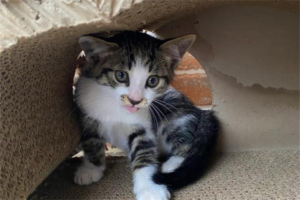
Stray cats recognize their feeders through sight, smell, and sound. They remember a person's appearance, voice, and scent after repeated, kind contact, and can grow emotionally attached. Feed gently from a distance — but avoid fixed-spot feeding, which erodes their survival skills.

Can You Release Unwanted Pet Goldfish Into the Wild?
Pet goldfish should not be released into the wild: they are captive-bred, poor survivors, can spread disease to wild fish, and may become invasive and upset local ecology — and releasing non-native species is banned under Chinese law. Rehome them with a friend, a pet shop, or an aquarium instead.

What to Do About Postpartum Depression in Cats
Postpartum depression in cats is common—signs include low appetite, withdrawal, and anxiety. Help with a quiet rest space, a steady diet and gentle exercise, regular petting and play, close behavior monitoring, engaging toys, and a vet visit if it lingers (medication may be needed). A new companion or environment change can also lift mood.
Dog Farts a Lot and They Stink? It May Be a Gut Problem
Occasional gas is normal (10–15 times a day), but frequent, foul gas points to poor digestion, fast eating, or gut-flora imbalance. Choose an easy-to-digest food with fresh meat and no grains or legumes, feed on a schedule, use a slow-feeder bowl, and add a pet probiotic. If gas comes with vomiting, diarrhea, a hard swollen belly, or pain, it could be pancreatitis, gastroenteritis, or parasites — see a vet.

Why Do Dogs Get Too Stressed?
Dogs can build up significant stress from loneliness, hunger or thirst, noise, too little exercise, a poor or changing environment, emotional neglect, or shifts in the household. Owners should provide a calm, comfortable home, enough activity, and daily interaction to meet both physical and mental needs.

Causes and Treatment of Feline Urethral Obstruction
Feline urethral obstruction is usually caused by urethral stones (from poor diet, low water intake, or infection) and is an emergency—especially in male cats with their narrow urethra—with signs of straining, little urine, and blood. Clear the blockage at a vet promptly, then prevent recurrence with more water, balanced low-Mg/low-P diet, exercise, and regular urine checks.