Search Results
862 results for “water changes”

What Fish Can Live With Guppies?
Guppies are small and peaceful, so they suit other gentle small fish with similar habits — small tetras, livebearers like mollies and swordtails, and bottom cleaners like corydoras. Avoid aggressive types such as red phantom tetra, small cichlids, bettas, and blue gouramis. Keep oxygen high, water stable, and feed weak eaters separately.

How to Care for a Hamster After It Gives Birth
A hamster just after birth is weak, so care for the pups while meeting the mother's nutrition needs. Here are tips for looking after the new mother and her babies.

Why a Doe Eats Her Kits and How to Prevent It
A doe may eat her kits from thirst after birth, low milk, poor prenatal nutrition, fright, a cannibalistic habit, strange smells, or illness. Prevent it with strong prenatal feeding and warm salted water after kindling, a quiet space, no scent changes or bare-hand handling, and fostering only after masking the kits with the foster doe's milk and urine.
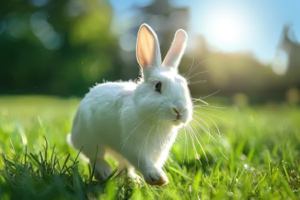
What to Do When a Rabbit Has Diarrhea
Rabbit diarrhea is common and can turn critical fast, especially in weanlings that have lost maternal antibodies. Treat infections with rabbit-safe antibiotics and keep the cage clean and dry; prevent it with safe food, gradual feed changes and isolation of sick rabbits.
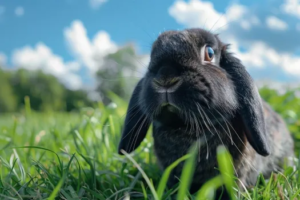
Preventing and Controlling Rabbit Colibacillosis
Rabbit colibacillosis (mucoid enteritis), caused by Escherichia coli, strikes weanling rabbits hardest with high death rates from watery, jelly-like diarrhea and dehydration. Prevention hinges on steady high-fiber feeding, clean dry housing, insect and rodent control, and feed-additive or vaccine prophylaxis.
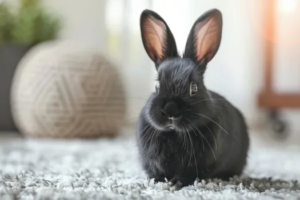
Rabbit Constipation: Causes and How to Prevent It
Rabbit constipation, common in young and old rabbits, comes from dry hardened gut contents due to poor feeding, too much concentrate, low water, or too little exercise, and can block the gut. Signs are poor appetite, hard small stools, then no stool with a painful belly and palpable hard masses. Prevent with balanced feed and water plus exercise; treat early with greens and, for severe cases, sodium sulfate or salt laxatives.
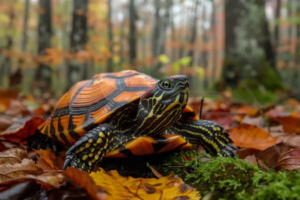
Common Illnesses of Red-Eared Sliders
Red-eared sliders face several common illnesses: white-eye disease (a white film from poor water), gastroenteritis (odd red-green stools), pneumonia (wheezing, head held high), skin rot, calcium deficiency (soft shell), shell rot, and colds. Most trace to water quality and temperature swings, and many respond to antibiotic soaks or ointments plus warmth and sunlight.
Dietary Causes of Picky Eating in Cats
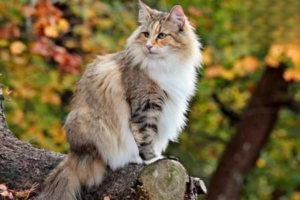
Cats turn picky for diet-related reasons: too many palatants in cheap kibble, too many snacks, a monotonous diet, or simple taste fatigue. Pickiness harms health, so vary the diet from kittenhood, mix favored and needed foods, and warm or moisten meals to boost aroma — without moving the bowl around.

Rabbit Stress: Causes, Signs, and How to Avoid It
Rabbits are timid and sharp-eared, so strong or repeated shocks can stress them severely, even fatally. Causes include changed water or feed, weather, noise, light, moves, and strangers; signs are raised pulse and breathing, restlessness or hiding, refusing food, and does crushing or rejecting kits. Avoid stress with steady routines, fixed light, temperature control, quiet, and gradual feed changes.
How to Care for a Senior Cat
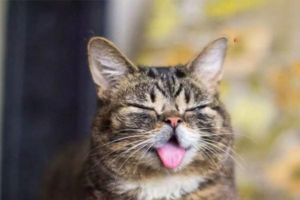
Cats are considered seniors after age 10, showing fading senses, weaker appetite, and reduced mobility. Good care means easy access to litter boxes and water, a diet matched to calorie needs with added supplements, gentle play, and close daily monitoring for illness as immunity declines.