Search Results
862 results for “water changes”
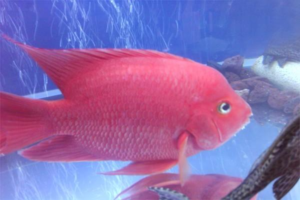
What to Do When Parrot Fish Grow White Fuzz
White fuzz on parrot fish comes from poor or unstable water, temperature swings, or saprolegniasis (fungus). Fix water quality, raise temperature to 30 C then settle at 25-28 C, or salt-bath / potassium permanganate the isolated fish for about a week.

Turtle Cold: Symptoms and Treatment
Turtle colds show as dull eyes, weeping eyes, runny nose, lethargy and white material at the mouth; severe cases develop pneumonia (crusted nostrils, wheezing). Treat by severity — isolation and warmth for mild, antibiotic (gentamicin/oxytetracycline) baths for moderate, and amoxicillin by weight for severe — keeping the enclosure at 30–32°C.

What to Do When a Silver Arowana Won’t Eat
If a silver arowana won't eat, first check for fright, low temperature, dirty water, or illness, then apply the matching fix. Most cases recover with calm, warm, clean water.
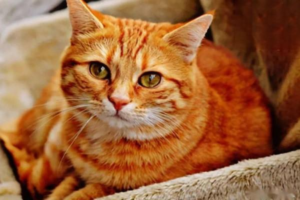
What to Do When Your Cat Is Stressed in a New Environment
Cats feel insecure and are highly sensitive to changes around them. Moving to a new home or a new owner can trigger stress. Learn how to recognize the signs and help your cat settle in calmly.

Why Is Your Blood Parrot Lying on the Tank Bottom?
A blood parrot resting on the tank floor can be normal (just napping), but it can also signal saprolegniasis or swim-bladder disorder. Rule out disease by checking water quality and behavior; treat fungus with isolation and salt baths, and swim-bladder issues with warmer water and regular changes.

Why Do Arowana Refuse to Eat?
Arowana may refuse food for many reasons—poor water quality, fright, temperature swings, environmental change, illness, improper feeding, or internal parasites. If the fish is otherwise active, refusal alone isn't alarming. Key fixes: stabilize pH (6–7.5), avoid sudden changes, and treat any underlying disease.

Do Cats Need to Fast Before and After Deworming?
Generally, cats do not need to fast before or after an internal deworming treatment—the medication can even be mixed into food. Observe your cat for 4–6 hours afterward for side effects, avoid diet changes and baths around treatment, and follow the recommended deworming frequency based on age and lifestyle.

Why Does a Parrot Fish Have a White Film Over Its Eyes?
A white film over a parrot fish's eyes is usually cloud-eye disease, caused by poor water quality or injury letting bacteria in, excess nitrogen, or accompanying white-spot disease. Treatment depends on the cause: improve water and raise temperature for mild cases, add antibiotics and salt baths for infection, or treat the underlying white-spot disease.

How Soon Can a Dog Be Bathed After Giving Birth?
A mother dog should not be bathed until at least one month after delivery, because an open cervix lets bacteria enter the uterus and cause infection. After a month, clean the soiled areas carefully and dry the coat thoroughly, while supporting her with good nutrition, a calm environment, and warmth.

Persian
The Persian cat, also called Persian, Chinchilla, or Himalayan, with the Latin name Persian, represents nobility in people's minds. In China, most people's first pet cat was a Persian. However, most kept Persians are not purebred but non-purebred bred by merchants to meet the market; purebred Persians cost over a thousand dollars. Originating in Persia (Iran), it was developed in Britain over more than 100 years from Afghan longhair and Angora cats.