Search Results
862 results for “water changes”
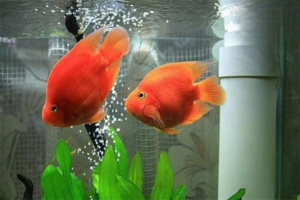
How to Treat Fin Rot in Blood Parrot Cichlids?
Keepers know blood parrot cichlids demand high water quality, and poor water is the top cause of disease, including fin rot. How to treat it? Our team explains causes and treatment.
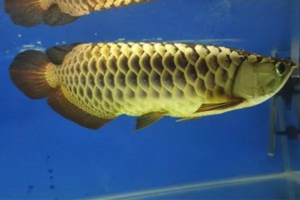
Why Does a Golden Arowana Jump Out of the Tank?
Why does a golden arowana jump? Causes: dirty water, high level, fright, hunting insects. Our team explains the causes and solutions.

Favorable Conditions for Arowana Coloration
Good arowana color rests on five pillars: a pure bloodline, stable and clean water, a dark yet well-lit tank with combined top and side lighting, varied and nutritious feeding, and a balance of slow and fast growth. Patience is essential, because coloration is a long, gradual process.

Can Sunken Arowana Eyes Be Saved?
Sunken arowana eyes can be saved. Raise the temperature to 30-32 C, change water often, and add oxygen; use oxytetracycline only if it doesn't improve.

Common Turtle Diseases and How to Treat Them
Turtles can fall ill with white eye disease, skin rot, shell rot, digestive trouble, or pneumonia, often from dirty water, crowding, or temperature swings. Most are preventable with clean, stable, warm water and prompt treatment.
How to Deal with Black Veil (Darkening) on Blood Parrot Fish
A black veil on blood parrot fish can come from temperature swings, fright, or black spot disease. Identify the cause and treat it with stable warm water, salt, or medication.

Common Arowana Skin Diseases and Their Prevention
Common arowana skin diseases include scale melting, slime-coat shedding, and fin/tail rot—most stemming from poor water quality. Improve water and add aquarium vitamins for scale melting; use Japanese yellow powder for slime-coat loss; and rely on the 'old three' (heat, salt, water change) or medication for fin/tail rot.

Why Do Arowana Develop Dropsy?
Arowana dropsy is common during seasonal changes and is caused by prolonged high temperatures, poor or aged water, high organic loads, or bacterial infection. Symptoms range from blisters on the gill cover (usually non-fatal) to full-body blisters with severe infection and ulceration. Prevention centers on stable temperature and clean water; treatment uses antibacterial medication in food plus strict water management.
How Long Can a Plecostomus Live?
A plecostomus lives 2 to 6 years by environment. It likes slightly acidic hard water, 22 to 28 C; keep temperature stable and use a heater when cold.
How long does a frightened flowerhorn stay dark after being startled?
A startled flowerhorn may darken but recovers in 3-5 days. Keep water stable at 28 C, skip feeding, and change only a third of the water within 2 C.