Search Results
943 results for “water bath”
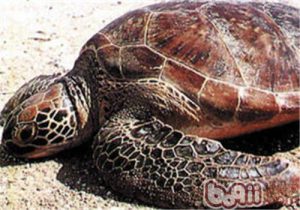
Loggerhead Sea Turtle
The loggerhead sea turtle (Caretta caretta) is a large marine turtle found in the warm temperate waters of the Atlantic, Pacific, and Indian Oceans. Historically overharvested for its meat and eggs, it is now listed as a protected species under international and Chinese law.
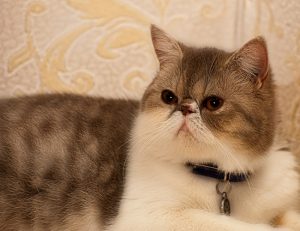
Exotic Shorthair
The Exotic Shorthair — everyone's "Garfield cat" — pairs the Persian's plush look with a short, easy-care coat. Sweet, calm, and affectionate, it's one of the most laid-back cat breeds to live with.

Banded Krait
A strikingly banded, highly venomous elapid of southern China and Southeast Asia - beautiful but dangerous; not a pet and a poor choice for novices.

Canine and Feline Giardiasis: Symptoms, Treatment, and Prevention
Giardiasis is caused by the flagellate Giardia duodenalis attached to the intestinal mucosa, reducing absorption and causing diarrhea and wasting, especially in puppies. It is treated with antiprotozoal drugs and rehydration.

What to Do When Your Dog Refuses to Toilet at Home During Quarantine
Dogs trained to relieve themselves outdoors often refuse to go at home during lockdown. Help them by setting up a familiar toilet spot with pee pads, adding their own scent, mimicking outdoor ground, and encouraging water intake—and ease their stress with play.
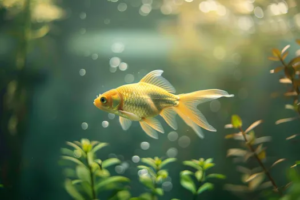
What to Do When Your Arowana Has Tail Rot
Arowana tail rot is usually caused by poor water quality, which these fish are highly sensitive to. Treat it by improving water quality, isolating the sick fish with aquarium salt, applying potassium permanganate to severe lesions, or giving antibiotic (oxytetracycline) baths for bacterial rot.

Why Do Blood Parrot Cichlids Cluster and Rest at the Bottom?
Blood parrot cichlids huddling motionless at the bottom may just be settling into a new home, or it can signal illness, low temperature, or poor water. Give newcomers quiet time, raise the temperature to 28–30°C if it's cold, and for enteritis do a full water change with oxytetracycline/gentamicin baths plus added vitamins.

How to Treat Scale Loss in Blood Parrot Cichlids
Find the cause before treating scale loss in blood parrot cichlids: fighting from overcrowding, poor water with bacteria (leading to red-skin disease or fungus), or injury. Fix overcrowding with a bigger tank or separation and yellow powder; clean the water and add salt or potassium permanganate; for red-skin or fungal disease, isolate, disinfect the tank, and use salt/permanganate or furacillin baths.

Why Are My Golden Arowana’s Gills Red?
Red gills in a golden arowana often mean red-spot disease or gill rot, both from poor-water bacterial or parasite infection. Mild red-spot disease improves with water changes and warmer temperature; severe cases need chlorine-dioxide baths. Gill rot is contagious—isolate and treat with salt, copper sulfate, or trichlorfon by stage.

Why Does My Dog Smell Bad?
If your dog has a persistent odd smell even right after a bath, the cause is usually skin secretions, ear-wax buildup, or oral disease. Here is what to check.