Search Results
943 results for “water bath”

What Causes Black Spots on a Parrot Fish?
Black spots on a parrot fish come from dirty water, low temperature, or black spot disease. Clean the tank, warm the water, or use a salt bath depending on the cause.
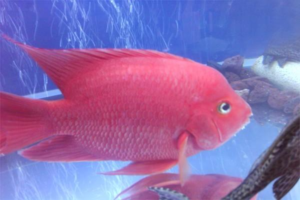
What to Do When Parrot Fish Grow White Fuzz
White fuzz on parrot fish comes from poor or unstable water, temperature swings, or saprolegniasis (fungus). Fix water quality, raise temperature to 30 C then settle at 25-28 C, or salt-bath / potassium permanganate the isolated fish for about a week.

Key Things to Watch in Summer Dog Care
In summer keep food fresh (toss leftovers, always have clean water), bathe and trim weekly but not too short, avoid direct AC drafts, deworm and mosquito-proof, and walk at dawn or dusk to prevent heatstroke.

Why Won’t My Red-Eared Slider Open Its Eyes?
Cloudy eyes, white discharge or failure to open the eyes in a red-eared slider usually means white-eye disease (an eye infection common in aquatic turtles), caused by eye injury or dirty water. Treat mild cases with nitrofurazone baths; also rule out low temperature, new-environment stress or other infection. Keep water clean and at about 25°C.

Common Diseases of Parrot Fish
Parrot fish commonly get head-hole disease (highly contagious, fatal), black-spot disease (fungus, most common), and red-skin disease (bacterial). All trace to poor water or temperature; treat with salt baths, yellow powder, potassium permanganate, and clean warm water.

Turtle Cold: Symptoms and Treatment
Turtle colds show as dull eyes, weeping eyes, runny nose, lethargy and white material at the mouth; severe cases develop pneumonia (crusted nostrils, wheezing). Treat by severity — isolation and warmth for mild, antibiotic (gentamicin/oxytetracycline) baths for moderate, and amoxicillin by weight for severe — keeping the enclosure at 30–32°C.

What to Do When a Blood Parrot Fish’s Fins Rot
Fin rot in blood parrot fish is usually caused by poor water quality or injuries from fighting. Here is how to treat it with water changes, medication, and isolation.

Prevention and Treatment of Colds in Turtles
A turtle cold can progress to pneumonia, which is far more dangerous, so treat it promptly and watch for pneumonia signs. Isolate the sick turtle, keep the enclosure at about 30°C, and use antibiotic baths (e.g., cephalexin) or amoxicillin by weight; prevention focuses on good water quality and strong immunity.

Why Is Your Blood Parrot Lying on the Tank Bottom?
A blood parrot resting on the tank floor can be normal (just napping), but it can also signal saprolegniasis or swim-bladder disorder. Rule out disease by checking water quality and behavior; treat fungus with isolation and salt baths, and swim-bladder issues with warmer water and regular changes.

How to Treat Saprolegniasis (Fungus) in Blood Parrot Fish
Saprolegniasis (also called cotton fungus) is a common skin disease in blood parrot fish, possible year-round. It starts from wounds or poor water quality that lets fungus take hold, and shows as white cotton-like growth. Isolate the sick fish, disinfect the tank, and treat with salt baths.