Search Results
943 results for “water bath”
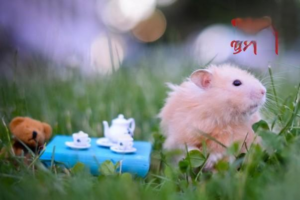
How to Keep Hamsters Cool and Prevent Heatstroke in Summer
In sustained high temperatures hamsters can suffer heatstroke. Use cooling bedding such as corn cob or cat litter instead of heat-retaining wood shavings, place the cage in a cool, well-ventilated room, and add a bowl of water or chilled stones to lower the ambient temperature. Make sure your hamster always has plenty of water to drink.

Guinea Pig Care: What to Avoid
Guinea pigs are relatively easy pets, but there are taboos: poor living conditions, random feeding, and cold environments among them. This list covers the key don'ts—from diet and housing to temperature and safe bowls—so your pig stays healthy.
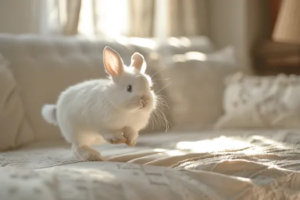
Will a Rabbit’s Diarrhea Get Better on Its Own?
A rabbit's gut is delicate, so diarrhea is a serious sign that will not resolve on its own. Causes include coccidiosis, chills/colds, improper diet, and rabbit hemorrhagic disease (RHD); treatment ranges from veterinary care for infection or RHD, to warming and diet fixes for mild cases. Never wait it out.

How to Deworm a Parrot and How Often
Hand-raised parrots that aren't dewormed regularly can fall prey to fleas, lice, coccidia, trichomonas, and other internal and external parasites. This guide covers practical parrot deworming methods—external baths and sprays, plus internal medications—along with a safe yearly schedule.

Parrot Cold: Symptoms and Treatment
Parrots get colds from sudden temperature swings or drafts after bathing, showing lethargy, runny nose, and sneezing. Clean the nostrils, move the bird to warmth, and use bird-safe cold medicine; severe blockage can suffocate, so treat early. Note parrot colds can spread to humans.

Do Cats Need to Fast Before and After Deworming?
Generally, cats do not need to fast before or after an internal deworming treatment—the medication can even be mixed into food. Observe your cat for 4–6 hours afterward for side effects, avoid diet changes and baths around treatment, and follow the recommended deworming frequency based on age and lifestyle.

Why Does a Parrot Fish Have a White Film Over Its Eyes?
A white film over a parrot fish's eyes is usually cloud-eye disease, caused by poor water quality or injury letting bacteria in, excess nitrogen, or accompanying white-spot disease. Treatment depends on the cause: improve water and raise temperature for mild cases, add antibiotics and salt baths for infection, or treat the underlying white-spot disease.
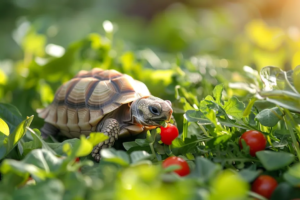
Feeding Precautions to Prevent Enteritis in Turtles
Turtle enteritis has primary causes (poor husbandry) and secondary causes (parasites, liver disease, systemic infection); the primary causes are the easiest to control. The key feeding measures are: avoid hard-to-digest or spoiled food, stop feeding in low or sharply fluctuating temperatures, wait before feeding a newly arrived turtle, and pause feeding during illness—plus feed on a fixed schedule and in measured amounts.

Shandong Lion Cat
The Shandong Lion Cat is mainly seen in zoos in Beijing, Shanghai, Tianjin, Jinan, and Qingdao in China, and rarely abroad in Japan and Singapore. It is called the Shandong Lion Cat because it looks like a lion, with long, fluffy fur.

Dragon Li
Dragon Li (details)