Search Results
741 results for “vitamin B for dogs”

CoQ10 for Pets: What It Is and How to Choose a Quality Supplement
Coenzyme Q10 (CoQ10) is a fat-soluble compound that helps cells produce energy, and it is concentrated in the heart, kidneys, liver, and brain. As cats and dogs age, their ability to make CoQ10 declines, which is why it is often discussed as a heart-support supplement. This guide explains what CoQ10 does, which pets are most likely to benefit, how to judge a supplement's real quality, and practical feeding tips — so you can make an informed choice instead of relying on marketing claims.
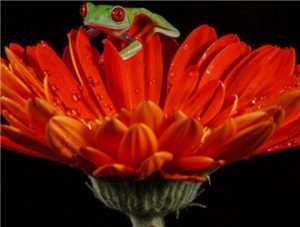
Red-eyed Tree Frog
The iconic big-eyed, green-and-orange hylid of Central American rainforests - fully nocturnal and a live-food specialist. An amphibian, not a reptile.
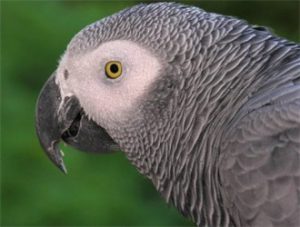
African Grey Parrot
The African grey parrot (Psittacus erithacus) is a large parrot and a typical perching bird, famous as one of the few animals that can truly hold a conversation with humans, with very high intelligence and a lifespan around 50 years.

Anglo Mink
The Anglo Mink is the domesticated pet ferret (Anglo / Marshall lines) kept as a companion animal. Intelligent, gentle, and easy to litter-train, it is heat-sensitive and mischievous when unwatched, needs a large wire-free cage and 4+ hours out daily, and eats a meat-based diet (30–35% protein, 15–20% fat). Lifespan 8–12 years.

Canine and Feline Spinal Cord Tumors
Spinal cord tumors in dogs and cats produce signs based on where they compress the cord, ranging from limb weakness to paralysis and loss of bladder control. German Shepherds and young to middle-aged dogs are commonly affected, with tumors often located between the 10th thoracic and 3rd lumbar vertebrae.

Skin Disease in Collies and Other Herding Breeds: Why Medication Must Be Chosen Carefully
Collies and related herding breeds often carry an MDR1 gene mutation that prevents normal drug clearance, making them dangerously sensitive to certain parasiticides such as ivermectin. Skin problems are treated as in any dog, but parasite control and other medications must be chosen with a veterinarian to avoid toxicity.

Canine and Feline Eosinophilic Granuloma
Eosinophilic granuloma is an inflammatory skin and lip lesion seen mainly in cats, starting as a small smooth depression on the upper lip and spreading into a thickened, ulcerated, red swelling. It is managed with anti-inflammatory and immune-modulating therapy rather than surgery.

Canine and Feline Dermatitis: Symptoms, Treatment, and Prevention
Dermatitis is inflammation of the skin in dogs and cats from parasites, allergy, infection, or trauma, causing itch, swelling, and crusting. Treatment removes the cause and controls inflammation locally and systemically.

Canine and Feline Eczema (Moist Dermatitis): Symptoms, Treatment, and Prevention
Eczema is a superficial skin inflammation in dogs and cats driven by allergy and weak skin defense, producing redness, vesicles, hair loss, and crusting. It is managed by relieving itch, calming inflammation, and keeping the environment clean.

Canine Pyoderma: Symptoms, Treatment, and Prevention
Pyoderma is a bacterial skin infection in dogs, usually from Staphylococcus or Streptococcus, most often secondary to another skin problem. It causes pustules, crusting, and hair loss, and is treated with culture-guided antibiotics plus skin care.