Search Results
741 results for “vitamin B for dogs”

Why Does a Golden Retriever’s Nose Lose Color?
A Golden Retriever's nose can fade for many reasons: too little sunlight, cold weather, aging, genetics, poor nutrition, allergy, or a past injury. Cold-season and genetic fading are normal and need no action, and senior dogs simply show natural aging. But if fading comes from lack of vitamins and minerals or from allergy, step in to prevent bigger problems. Provide sun time, a balanced high-quality diet, and see a vet if allergy is suspected.
How many blueberries can a dog eat per day?
About 10 for a 10kg adult; fewer for small or sensitive dogs. Rich in antioxidants but don't overfeed - it upsets sensitive stomachs.
Pet CoQ10 Red/Black List Thinking: Reading the Test Data
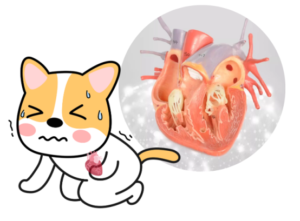
About 10% of dogs and 7% of cats develop heart disease in their lifetime, and the early signs are easy to mistake for normal aging or a cold — until diagnosis, when the damage is often irreversible. CoQ10 is frequently advised, but 'which one' is the hard part. This guide separates the real science from the marketing: what CoQ10 actually does, the drug it cannot replace, and the four hard metrics a product should meet.

Dog CoQ10: Test Data Beats the Hype
CoQ10 is a supplement, not a drug — it fuels the heart, fights oxidation, and slows myocardial aging, but it cannot replace medication for heart disease. For an 8-year-old dog that pants on walks and coughs at night, the first step is a vet, not a bottle. There is no single 'most reliable' brand, but a few practical checks separate a working product from an expensive guess. This guide lays them out.

Safe Dog CoQ10: What the Research and Labels Tell You
CoQ10 appears in veterinary cardiac plans for mitral valve disease, dilated cardiomyopathy, and senior heart decline, and the research behind it is real — not a fad. A 2021 study found dogs with mitral valve disease in heart failure had significantly less heart-muscle CoQ10 than healthy dogs, and a 2022 randomized trial showed supplementation improved oxidative-stress and contraction markers with no adverse effects. The catch is that the benefit only appears when the product is safe, dog-appropriate, and correctly dosed. This guide explains how to read the label and the form.

Reading CoQ10 Test Data: What ‘Proven’ Should Mean
With so many CoQ10 products making bold claims, the only fair way to choose is to ask three questions: are the ingredients safe, is the content sufficient, and is there authoritative data behind the effect? This guide explains what genuinely 'proven' looks like, what a deeper formula contains, and why the right physical form matters as much as the formula for real-world feeding.
Choosing a Pet CoQ10: Skip the Hype, Pick What Works
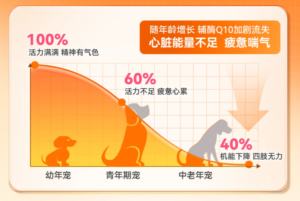
As pets reach middle and old age, heart care becomes unavoidable — especially for overweight cats and dogs and for breeds prone to heart disease such as Siamese and Ragdoll cats, Toy Poodles, Pomeranians, and Cavalier King Charles Spaniels. CoQ10 is a core heart nutrient and appears in veterinary cardiac plans, but the crowded market makes choosing hard. This guide explains what CoQ10 does and the three points that separate a working product from a hype-driven one.
Dog CoQ10 Safety: Three Traps to Avoid When Buying
With CoQ10, 'has some in it' is not the same as 'works,' and 'is CoQ10' is not the same as 'safe.' Many owners shop by headline number and price while missing the safety basics, then feed a product that adds burden rather than benefit. This guide walks through three common traps — questionable raw materials, misleading labels, and harmful additives — and what a genuinely safe dog CoQ10 formula should look like.

Dog CoQ10 Buyer’s Guide: What Actually Makes a Product Work
CoQ10 supports heart-muscle energy and acts as an antioxidant, but a dog only benefits if the supplement actually contains a real, absorbable dose. With products ranging from a few dollars to several hundred and quality all over the map, the smart move is to judge a product by its label and testing — not by marketing or country of origin. This guide explains how to tell a working formula from an empty one and which dogs are most likely to need it.

Dog CoQ10 Supplements: How to Avoid Empty ‘Placebo’ Products
Not every CoQ10 supplement for dogs actually contains what the label implies. Independent testing has found products that list CoQ10 vaguely, overstate the amount, or contain little that is detectable — so paying a premium does not guarantee a working product. The good news is that a few simple label checks let you tell a genuine, well-absorbed formula from an expensive placebo before you buy.