Search Results
741 results for “vitamin B for dogs”

What Is Canine Brucellosis
Canine brucellosis is a contagious bacterial infection of dogs caused by Brucella canis. It is best known for causing abortion, infertility, and hidden inflammation in many tissues, and most infections are silent. The greatest risk comes from infected pregnant females, which shed huge numbers of bacteria in the fetus, fluids, and afterbirth at 40-50 days of pregnancy. The disease can also infect people, so strict hygiene is essential. Diagnosis combines bacterial culture with blood tests, and affected dogs are usually isolated or euthanized; breeding stock should be tested before mating to keep the infection out of a kennel.

Canine Parvovirus: Symptoms and Treatment
Canine parvovirus is an acute, highly contagious infection that hits puppies hardest and carries a high death rate. It shows as either severe hemorrhagic enteritis or sudden heart failure, and because mixed infections are common, quick recognition matters. Supportive care, fluids, and vaccination are the cornerstones.

Solving Dog Bad Breath
Dogs cannot brush or floss themselves, so food lingers, ferments and smells; over time bacteria build into plaque and tartar, the real source of odor. Fight it: wipe teeth with a soft towel or gauze and use a cotton swab with garlic juice for residue between teeth; use a dog toothbrush and pet paste (not human paste, which upsets the gut) brushing every surface, patiently easing a resistant dog in. Feed vitamin- and fiber-rich veggies and crisp dog biscuits or chews that scrub the teeth - Pekingese fed only soft meat miss needed wear. Have the vet check and scale when needed; bad teeth bring strong odor and hurt appetite and nutrition.

How to Stop a Dog From Eating Its Own Poop
Eating its own stool is a common dog behavior, usually harmless but sometimes a sign of a problem. Causes range from missing nutrients and youth or pregnancy, to lack of training, boredom, or illness such as pancreatitis. To correct it: feed a complete diet with added trace minerals and vitamins, clean up stools promptly, interrupt with a firm 'leave it' and reward stopping, and as a last resort make the stool unpalatable with a safe deterrent. If the habit persists despite these steps, consult a veterinarian to rule out a medical cause. Patience and consistency are what break the cycle.

Why Cats Lick Their Fur
Cats lick hundreds of times a day for many reasons. Cleaning: it removes dirt and parasites and prevents mats. Cooling: in summer, saliva on the fur evaporates and carries heat away. Warming: in winter the fluffed, licked coat traps an insulating air layer. Stress relief: licking soothes anxiety. Vitamin D: skin oils made under sunlight are ingested during grooming. Itch: a rough tongue relieves parasite or bacterial skin irritation. And socially, a cat marks 'own' by leaving its scent, and only the higher-ranked cat gets to groom another - unlike dogs.

What Is Canine Methemoglobinemia
Familial methemoglobinemia is an inherited defect in the enzyme that converts methemoglobin back to normal hemoglobin, so a dog's blood carries less oxygen. The hallmark is a persistent bluish discoloration of the gums and chocolate-brown blood. Most affected dogs live for years with few signs, but oxidant exposure can turn it dangerous.

Dog Food vs Supplements: What’s the Difference?
Dog food is a complete staple designed by pet nutritionists to meet a dog's basic life, growth and health needs - balanced, digestible, convenient and even disease-preventing. Supplements fill specific gaps: vitamins, proteins, calcium, goat-milk powder, coat and pigment support, aiding development and recovery from illness. The rule is food first, supplements second - even good food is not 100% absorbed, so supplements help. But add them only when needed: large breeds needing calcium for joints or baby teeth, picky or single-diet dogs needing vitamins/minerals, weak or sick dogs (B-vitamin for some skin issues, probiotics for gut), and life-stage needs like goat milk for weaned pups. Over-supplementing backfires into allergy or obesity.
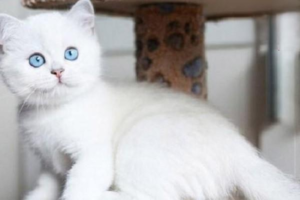
What New Cat Owners Should Know
Bringing a cat home is joy and responsibility, so prepare mentally as well as materially. Night activity, shedding, scratches, and curiosity are all part of cat life. This guide covers the realistic expectations, the gear to buy, and the steps after adoption: quarantine windows, vaccines, warmth, and the right time to neuter.

Your Dog’s Urinary Tract Troubles
Lifting a leg to mark is normal, but uncontrolled dribbling or frequent tiny urinations may mean urinary stones or infection. Watch for pain, abnormal or discolored urine, incontinence, and odor. Care includes vet urine tests, more water, more walks, diet changes for stones, and never self-medicating.

Dog Is Bloated but Not Defecating — What to Do
A dog with a swollen belly that will not pass stool is usually constipated, but the underlying reason matters: it could be simple indigestion, a bowel blocked by a swallowed object, too little exercise, or a painful condition that makes the dog hold back. Matching the cause to the fix prevents a minor issue from becoming an emergency. This guide lists the common causes and the practical steps—water, probiotics, exercise, and portion control—that get things moving again.