Search Results
741 results for “vitamin B for dogs”

Why Is My Dog Losing Hair Around the Ears?
Hair loss around a dog's ears can stem from normal shedding, genetics, or poor nutrition, or—more seriously—a skin disease, parasites, or an ear infection. Watch for itching, redness, or discharge, and seek a veterinary diagnosis before treating.
Why Is My Dog’s Tongue Turning Purple?
A healthy dog's tongue is light pink; a sudden purple (cyanotic) tongue means low blood oxygen from heart disease, lung disease, tracheal collapse, an airway obstruction, or toxins — and is an emergency. Watch for rapid breathing, low stamina, coughing, or lethargy. Also note pale (anemia) or bright red (heat/stress) tongues. Brachycephalic and toy breeds are highest risk; see a vet at once if the tongue goes purple.

What to Do About a Dog’s Herniated Disc
Intervertebral disc disease (IVDD) comes from injury, poor exercise, genetics, or lumbosacral abnormalities, and is common in dachshunds, chihuahuas, and corgis. Signs include reluctance to move, abnormal gait, and an arched back. See a vet promptly; treatment is medical or surgical.
Thinking of Getting a Pomeranian? Read This First
Pomeranians are smart and quick to learn, but naturally alert and barky, so they need early socialization; they also bond intensely and can develop separation anxiety without alone-time training. Common issues include tear stains, heart disease, patella luxation, and skin problems — watch health closely and keep vaccines and deworming on schedule.

What Counts as Low-Fat Dog Food?
Low-fat dog food is not simply any bag labeled 'low fat' — it must meet real nutritional standards, with crude fat around 5.0%–9.0% and protein around 22%–35%. It is a useful tool for overweight dogs or those with conditions like pancreatitis, but healthy dogs do not need it and may lose energy on too little fat.

What to Feed a Dog Recovering from Diarrhea?
During recovery from diarrhea, feed easily digested, high-carb, low-fat foods such as plain rice, broths, boiled chicken, cooked vegetables, and yam, in small frequent meals. Add probiotics or a gastrointestinal prescription diet, and avoid greasy, spicy, caffeinated, or allergenic foods; see a vet if symptoms persist.

What’s the Difference Between Cat Food and Dog Food?
Cat and dog foods differ in ingredients, nutrition, texture, and purpose. Cat food is richer in animal protein and contains taurine, which dogs don't need; feeding a cat dog food long-term causes malnutrition, poor coat, and taurine-deficiency heart and eye damage. Always feed species-appropriate food.
Does More Eye Discharge After Changing Dog Food Mean the Food Is Bad?
Extra eye discharge after switching dog food does not automatically mean the food is low quality — it can be a mild adjustment reaction, a food intolerance, or something unrelated like blocked tear ducts or an ear infection. Some foods are high in salt, and if your dog drinks little, this can cause 'inner heat' with more discharge, bad breath, and dry stool. Rule out the food by checking the label, watching overall health, and if discharge is thick, colored, or lasts over a week, see a vet.
A Practical Guide to CoQ10 Supplements for Pets
CoQ10 is a nutrient concentrated in heart-muscle cells that fuels the heart and fights oxidative damage, which is why veterinarians often suggest it alongside cardiac care for aging or at-risk pets. With demand up, product quality varies widely, so owners should judge a supplement on stated content, safe source, credentials, and smart pairings rather than marketing. This guide covers what CoQ10 does, how to pick a quality product, and the dosing and safety points—including who benefits, how much to give, and which drugs it must not be mixed with. CoQ10 supports care; it never replaces prescribed heart medication.
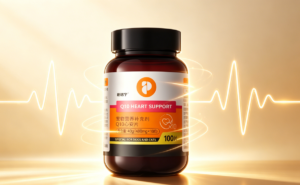
CoQ10 for Pets with Early Heart Enlargement
As cats and dogs age, the heart is often among the first systems to falter, especially in overweight pets and certain breeds with inherited risk. CoQ10, a nutrient that supports heart-muscle energy and protects cells from oxidative stress, is a standard supplement alongside veterinary treatment for heart disease. This guide covers the early signs owners should watch for, why CoQ10 helps, what to look for on a supplement label—real content, independent testing, and proven safety—and how to support heart health day to day. It is nutritional support, not a replacement for prescribed medication.