Search Results
266 results for “ventilation”

Why Do Parrots Pluck Their Feathers?
Feather plucking can stem from missing nutrients, crowding, external parasites, lack of nesting material, boredom, anxiety, or mating hormones. Prevent it with space, a balanced diet, calcium, and a clean, parasite-free cage.

How to Clean Your Dog’s Dirty Ears
Uncleaned ears get smelly and invite mites and infection. The L-shape, long hair, and floppy ears trap moisture and wax. Pluck hair with powder, then flush with a pet ear solution, and deworm for mites.

Must-Know Tips for Keeping Parrots in Summer!
Many owners relax management after stopping breeding in summer, but summer needs more attention so parrots thrive later. Our team shares summer management notes.

Guinea Pig Summer Care Tips
Summer heat and insects raise guinea pig illness risk, so clean up waste often, bathe lightly every few days, and keep water fresh - dehydration causes heatstroke. Cool with ventilation and fans rather than AC, and trim long-haired breeds.

Should You Dress Your Cat in Clothes?
In most cases, dressing a cat is not advised. Their fur already insulates them, and clothing only gets in the way. The main reasons are restraint, lost agility, poor ventilation, and health effects, with one winter exception.

How to Keep Your Guinea Pig Warm During Seasonal Changes
Guinea pigs are comfortable at 20-28°C; below 20°C they need warming. Seasonal swings bring sudden cold snaps, so keep them indoors, block drafts with towels or boxes, raise the cage off the cold floor, and use heating pads or blankets if it gets colder.

Turtle Cold: Symptoms and Treatment
Turtle colds show as dull eyes, weeping eyes, runny nose, lethargy and white material at the mouth; severe cases develop pneumonia (crusted nostrils, wheezing). Treat by severity — isolation and warmth for mild, antibiotic (gentamicin/oxytetracycline) baths for moderate, and amoxicillin by weight for severe — keeping the enclosure at 30–32°C.

When Can Budgies Start Breeding?
Budgies mature at 4-5 months but should wait a few months more; the peak is age 3-4. They breed year-round, laying 4-10 white eggs with ~18-day incubation and ~30-day chick care. Keep it quiet, warm (20 C+ in winter, 45-50% humidity), and let the hen lead nesting.
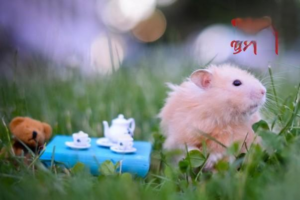
How to Keep Hamsters Cool and Prevent Heatstroke in Summer
In sustained high temperatures hamsters can suffer heatstroke. Use cooling bedding such as corn cob or cat litter instead of heat-retaining wood shavings, place the cage in a cool, well-ventilated room, and add a bowl of water or chilled stones to lower the ambient temperature. Make sure your hamster always has plenty of water to drink.
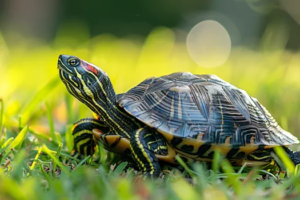
How to Treat a Cold in a Turtle
Turtle colds are treated by severity: mild cases need isolation and a warm (30–32°C day, 28–30°C night), well-ventilated environment plus electrolytes and sunlight; moderate cases add daily oxytetracycline soaks; severe cases need amoxicillin for two courses, with a vet visit if there is no improvement.