Search Results
266 results for “ventilation”

Persian
The Persian cat, also called Persian, Chinchilla, or Himalayan, with the Latin name Persian, represents nobility in people's minds. In China, most people's first pet cat was a Persian. However, most kept Persians are not purebred but non-purebred bred by merchants to meet the market; purebred Persians cost over a thousand dollars. Originating in Persia (Iran), it was developed in Britain over more than 100 years from Afghan longhair and Angora cats.
My cat has constant clear eye discharge that I can’t wipe away and sometimes glues the eye shut
The photo shows conjunctivitis, with causes including bacterial, herpesvirus, chlamydia, or mycoplasma infection. Bacterial cases need anti-inflammatory eye drops and oral antibiotics with an Elizabethan collar, recovering in about a week; herpes-driven cat flu needs longer antiviral and immune-support treatment, possibly 2-3 weeks or lifelong.
My rabbit sneezes and has clear runny nose; does it need nebulization?
Sneezing and runny nose usually mean a cold from chill or poor ventilation/hygiene. Treat promptly and keep warm; nebulization helps with severe congestion or respiratory infection. Use veterinary antibiotics like enrofloxacin or amoxicillin, plus astragalus polysaccharide; for fever use flunixin. Avoid human cold medicine.
How to remove this growth inside my rabbit’s ear, and what spray for the ear or the lump on its back of head?
Frequent head shaking, scratching, odor, redness, scabs, and brown discharge suggest ear mites, a stubborn parasitic infection needing patient cleaning, clean ventilation, and isolation. Use rabbit ear drops to soften and wipe; use a head cone if scratching is severe.
How often should a dog kennel be disinfected?
Disinfect a kennel weekly, or daily if poorly ventilated or damp. Keep it ventilated and dry, as a damp kennel breeds bacteria and causes disease. Sweep daily, remove waste, and keep it clean and dry.

Tips for Raising Rabbits in Summer
Summer heat hurts rabbit growth and breeding, so prepare cooling early. Key points: ventilate and sprinkler-cool, shade the hutch, plant greenery, lower density and feed at dawn/dusk, adjust feed (more protein, less energy, fresh greens), supply ample cool water, pause breeding in heat, and prevent coccidiosis with sanitation and fly/mosquito screens.

How to Prevent Heatstroke in Pet Rabbits During Summer
Rabbits sweat poorly and overheat easily, so summer heatstroke can be fatal. Prevent it with shade (black mesh, awnings, whitewashed walls), ventilation, lower stocking density (~10 rabbits per m²), sprinkling water, ample cool drinking water with 1% salt or vitamin C, and cooling foods like watermelon rind and cucumber, plus electrolyte-glucose supplements.
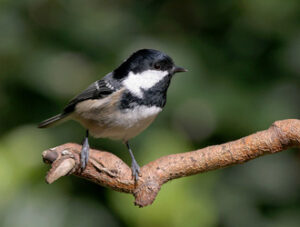
Coal Tit
Many caged Coal Tits are male birds — the reason is simple: the male's call is louder, which wins the favor of many bird lovers. Wild Coal Tits are widely distributed across Asia, Europe, and Africa. A pair signals the breeding season, while a flock means they are not currently breeding.

Snow Squirrel
The Snow Squirrel is a gentle, delicate-looking rodent whose coat changes with the seasons, valued for both its fur and as a pet. An active nut-lover, it needs a varied diet, temperature-controlled housing, and safe chewing material for its teeth.
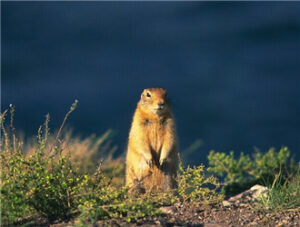
Marmot
The marmot is an expert burrower and hibernator with a coat the color of soil and a clever, endearing look. A vegetarian rodent kept as a pet, it needs a sturdy cage, fresh food and water daily, and vitamin C to avoid scurvy.