Search Results
627 results for “urination”

What to Do About Dog Incontinence
Dog incontinence is common in middle-aged to old dogs, with many causes; don't panic—find the cause and treat promptly. Today we explain causes and solutions.

Which Parts of a Cat Are Prone to Fractures?
Cats love high perches and door ledges, so they easily fall or get a limb caught in a door - from a limp at best to partial paralysis at worst. Today we look at the fracture sites cats commonly suffer.

Reading Your Rabbit’s Health from Urine Color
A rabbit's urine can reveal its health. Pale and thick urine may mean too much alfalfa or high-calcium feed. Learn what each color means and when to worry.
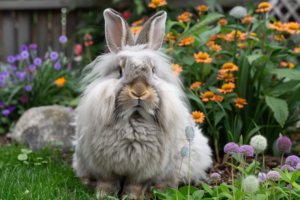
Why Do Rabbits Get Urinary Stones?
Low water intake is the most common cause of urinary stones in rabbits, but too much calcium and natural physiology also play a role. Learn the causes, signs and care.

Why Is My Cat Drinking and Peeing So Much?
A sudden rise in drinking and urination has four common causes, heat (estrus), kidney disease, diabetes, or pregnancy; rule them out and see a vet if it persists.

Common Urinary Diseases in Cats and Dogs
Urinary disease in cats and dogs hits the urethra, bladder, and kidneys, causing pain, blockage, or failure. Know the main types, urethral injury and stricture, cystitis, kidney failure, and stones, and the usual antibiotic, diuretic, and surgical care.

Why Does Your Cat Have Trouble Urinating?
Difficulty urinating shows as blood in urine, frequent urination, or blockage, mainly from urinary-system problems; without timely treatment it causes great pain. Here we discuss feline urinary disease.
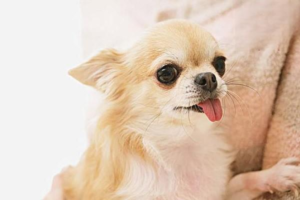
How to Stop a Dog Leaking Urine When Excited
Excited urine leaking is not a disease and needs no cure, but it soils floors and harms training, so it can be improved with calm arrivals, separation training, more exercise, and obedience commands.
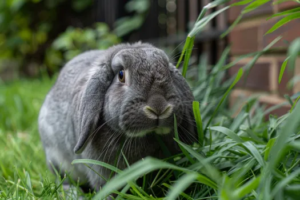
Types of Rhinitis in Rabbits
Rabbit rhinitis has several types, infectious, viral, parasitic, and bacterial, each with distinct signs; young rabbits are at high risk of death, so frequent sneezing warrants a vet check.

How Long Can a Dog Hold Its Urine?
A dog's safe holding time grows with age, roughly age in months plus 2 hours for puppies and about 10 hours for an 8-month-old, but no dog should hold it over 10 hours, and at least one elimination every 12 hours protects urinary health.