Search Results
627 results for “urination”

Why Does My Dog Have White or Cloudy Urine?
White or cloudy sediment in a dog's urine usually means excess urate or phosphate salts from low water intake, or inflammation of the urinary or reproductive tract. The dog's sex and neuter status help pinpoint the cause, and a vet visit is needed if urination becomes painful.

Dog Had Blood in Urine but Was Fine the Next Day: See a Vet?
Blood in urine that clears by the next day does not mean the dog is healthy; the underlying cause can recur. False hematuria from a heat cycle or mild poisoning usually resolves, but true causes like UTI or urinary stones need diagnosis and treatment.

What to Do About Blood in Your Dog’s Urine
Blood in dog urine (hematuria) commonly stems from a heat cycle, food poisoning, or urinary tract disease, with bleeding possible in either the upper or lower tract. Self-checks based on behavior, other symptoms, and urination patterns help distinguish the cause before a vet visit.

Why Does My Dog Urinate Slowly?
Slow, prolonged urination means the dog struggles to pass urine despite a full bladder, often with frequency and low volume. Common causes are urinary stones or blockages, infection and inflammation, or nerve damage, each needing a vet diagnosis and targeted treatment.

Why Does My Dog’s Urine Smell Bad?
A sudden strong, foul urine odor in a dog that normally smells mild usually points to dehydration, a urinary tract problem, a rich or salty diet, or a heat cycle. Increasing water, controlling diet, and timely neutering resolve most cases, while pain or frequent urination needs a vet.

What Is Feline Urolithiasis (Cat Urinary Stones)?
Feline urolithiasis (urinary stones) is a painful lower-urinary-tract disease. Signs are frequent small urine, blood, genital licking, painful cries, and inappropriate urination; a blockage is fatal in 48–72 hours. Treat with catheterization, meds, water, and Rx food.
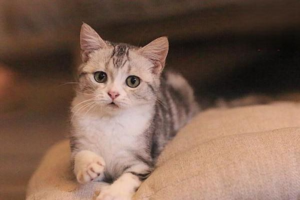
What Disease Causes Blood in Cat Urine?
Blood in cat urine usually means urinary stones or infection, with straining to pass small amounts. This guide covers the causes — low water, intact status, stress — and the tests and meds to use.
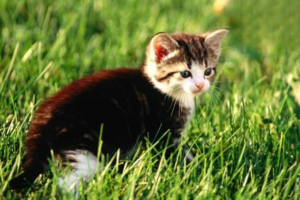
Signs That Your Cat Is Sick
Cats hide illness, so watch for odd urination or weight change, shifts in social behavior, appetite and coat changes, and stress, voice, or breath changes. Catching sickness early is what saves them.

Are Female Dogs More Likely to Get Diabetes Than Males?
Diabetes means insulin lack or resistance, causing carb intolerance and odd fat/protein metabolism. Adults are at risk, females a bit more. Signs are thirst, urination, hunger, and weight loss; treat with insulin, high-fiber diet, and exercise.

Dog Urine with Blood: Causes and What to Do
Blood in dog urine usually means tract injury or infection, but causes differ — urinary disease, an intact tom's mating friction, poisoning, or blood parasites. This guide covers each with the right treatment.