Search Results
627 results for “urination”

Border Collie Temperament: Personality, Strengths and Weaknesses
Before getting a pet, owners want to understand its temperament and which traits they might not like. The Border Collie is the smartest of all dogs and has its own distinct personality. This article introduces the strengths and weaknesses of the Border Collie's temperament.

8 Possible Reasons Your Dog Suddenly Smells Bad
A bad smell after baths points to health issues: skin folds, anal glands, dental disease, diabetes, ear infection, kidney failure or UTI. Regular care prevents most.
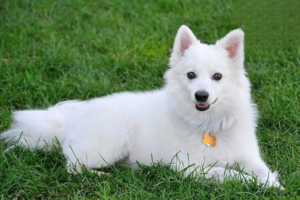
Causes and Treatment of Vaginitis and Vulvitis in Female Dogs
Vulvitis is inflammation of the vestibule and vulva in female dogs, while vaginitis is inflammation of the vagina. The two have similar signs and are treated the same way. Here is what owners should know about canine vulvitis and vaginitis.
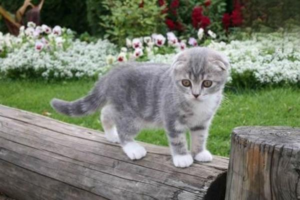
Can Cats Drink Raw (Untreated) Water? The Risks and Consequences
Cats should never be given raw, untreated water such as tap, well, river, or stream water. Untreated water carries bacteria, fungi, excess minerals, chlorine, and debris that can cause gastroenteritis, kidney strain, urinary stones, and parasite infection — boiling the water first removes most of these risks.
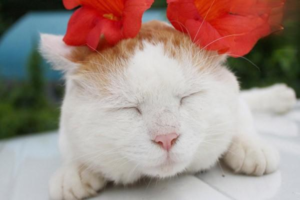
Should You Force-Water a Cat That Won’t Drink?
Cats naturally drink little, but low intake risks urinary and kidney disease. Never force-water — it can cause aspiration and stress. Increase intake via fresh/flowing water, wet food, multiple bowls, and, as a last resort, a syringe without the needle.
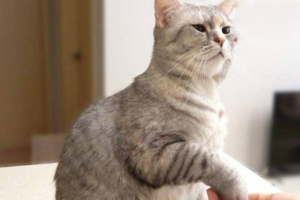
What to Do When a Cat Pees Outside the Litter Box After a Litter Change
Cats are sensitive creatures, and suddenly switching litter can make them refuse the box and eliminate around the house. The main causes are an unfamiliar scent, uncomfortable texture, or heavy dust, and the fix is usually reverting the litter or re-training with scent. Other causes include heat, urinary disease, and stress.

Understanding Pet Diabetes: Symptoms & Treatment in Dogs and Cats
Diabetes in pets is mostly primary (beta-cell damage) and shows as eat-more/drink-more/urinate-more/weight-loss. Management needs insulin, glucose-lowering drugs, fluids, diet, and infection control; prevention is fiber, exercise, and regular glucose checks.

Understanding Pet Diabetes: Symptoms & Treatment in Dogs and Cats
Diabetes in pets is mostly primary (beta-cell damage) and shows as eat-more/drink-more/urinate-more/weight-loss. Management needs insulin, glucose-lowering drugs, fluids, diet, and infection control; prevention is fiber, exercise, and regular glucose checks.

Understanding Pet Diabetes: Symptoms & Treatment in Dogs and Cats
Diabetes in pets is mostly primary (beta-cell damage) and shows as eat-more/drink-more/urinate-more/weight-loss. Management needs insulin, glucose-lowering drugs, fluids, diet, and infection control; prevention is fiber, exercise, and regular glucose checks.
Why Isn’t a Neutered Male Cat Urinating?
No urination within 24 hours after neutering is normal, wound pain; beyond that, watch for stress-induced cystitis, urinary infection, stones, or even kidney failure, male cats are prone to urinary blockages. Diagnosis needs urine and blood tests plus imaging; treatment ranges from antibiotics and diuretics to stone removal or kidney support.