Search Results
68 results for “uremia cat”
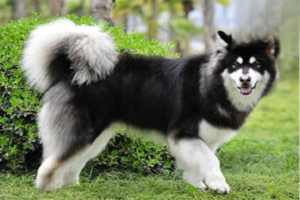
Why Dogs Itch and How to Treat It
Itching can come from allergies, weather, bedding, diet, nerves, or internal disease — and once parasites are ruled out, corticosteroids often calm it fastest. Find and remove the trigger (switch shampoo, fix diet, control fleas) and see a vet for whole-body or unexplained itching.

Feline Lower Urinary Tract Disease
Feline lower urinary tract disease, also known as feline urinary syndrome, is not a precise diagnosis; it includes a series of clinical symptoms: hematuria, frequent trips to the litter box with very little urine each time, difficulty urinating, urethral blockage, anuria, frequent licking of the urethral opening, and irregular urination outside the litter box.

Symptoms of Dog Intestinal Spasm (Cramps)
When a dog has intestinal spasm and convulsions, it often appears restless, the body stiffens, cramps, and cannot stand. When this happens, stay calm and find the cause and solution. Today we introduce the symptoms and causes of dog spasm.

Dog Nephritis: Symptoms and Treatment
Dogs, like people, get sick. Kidney inflammation is a common and usually serious disease - bilateral kidney lesions from a post-infection allergic reaction, a wandering glomerular damaging disease, mostly from blood stimulation. So what are the symptoms of chronic nephritis in dogs?

Dog Urinary Stones: Symptoms and Treatment
Canine urolithiasis is a common urinary disease, more often seen in older and senior dogs. Dogs with urinary stones are in great pain, showing difficulty urinating, blood in urine, and painful urination. Severe cases can endanger the dog's life and health, so owners should take the dog to the hospital promptly when they notice difficulty urinating, to avoid the condition worsening.

Feline Lower Urinary Tract Disease (FLUTD): Causes, Signs and Treatment
Feline lower urinary tract syndrome (FLUTD) is divided into obstructive and non-obstructive types. Obstructive means the urethra is fully or partially blocked. Within 2–3 days of complete blockage, urine retained in the bladder flows backward to the kidneys; this back-pressure suppresses glomerular filtration, causing waste and toxins to accumulate in the blood and leading to uremia. If not treated within 3–6 days, the cat can die. The non-obstructive type is milder; with prompt catheterization and proper daily care, it largely resolves on its own within a week.

How to Treat Nephritis in Dogs
Inflammation of the dog's glomeruli is also called canine nephritis, mainly from infection damaging the glomeruli. Signs are edema, blood in urine, and proteinuria. By course it is acute or chronic.

Why Dogs Develop Dilated Cardiomyopathy
Dilated cardiomyopathy in dogs has four main causes — genetics, nutrient deficiency, viruses or parasites, and low thyroid hormone. It is hard to cure, so early diagnosis and careful management matter most. Here is what every owner should know.

How Does Dog Periodontitis Form?
Periodontitis is a chronic inflammation of the periodontal tissues. Early canine periodontitis is easy to overlook; it is usually only noticed after the inflammation spreads from the gums to the periodontal ligament and alveolar bone and develops into severe periodontitis. The condition has a formation process, and early detection and treatment are important. Read on to understand how it develops.

Think Kidney Failure in Dogs Is Rare? Think Again
Canine kidney failure is common—the 4th leading cause of dog death. Unlike cats, it often follows periodontal bacteria or heart disease. Signs are more drinking/urinating, mouth ulcers, anorexia, and weight loss. Manage with diet (controlled phosphorus and protein) and supervised feeding.