Search Results
11 results for “tyrosinase”
Why Does a Siamese Cat Turn Black?
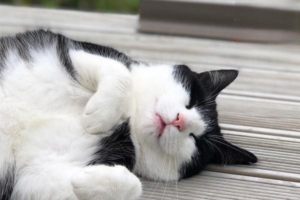
Siamese cats darken because a temperature-sensitive TYR gene makes tyrosinase overactive below 30C, boosting melanin in cool areas like the face and paws. Shaving only speeds it up; warmth restores the lighter coat. Keep your cat warm to limit darkening.
The Secret of Siamese Cats
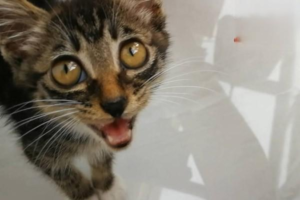
A Siamese cat's coat darkens in cool areas because its tyrosinase enzyme is temperature-sensitive, boosting melanin where skin is cool. The fur lightens again in warmth, so color shifts with season and age, a normal trait, not a health problem.

Why Has My Labrador’s Nose Turned Pink?
A Labrador's nose turns red or pink mainly from lower temperature and less light, which cuts melanin and tyrosinase activity. Peeling or broken skin may mean dryness, injury, or illness — clean, disinfect, and see a vet if needed.

Why Is Your Dog’s Nose Turning from Black to Pink?
A dog's nose usually turns pink from aging or temperature, but it can also signal disease. Causes range from genetics and vitiligo to dermatitis or abrasion. Improve it with vitamins, safe sun exposure, and seaweed powder—and see a vet if white patches or sores appear.
What breed is a ‘coal ball’ cat?
A 'coal ball' cat is a Siamese; its coat darkens in cold temperatures due to more melanin and stronger tyrosinase. Lower temperature means darker coat, higher means lighter; age and health also matter.
How long after birth does a Siamese cat start changing color?
A Siamese cat shows color change around 3 months as its coat changes. Its color also shifts with temperature: above 33 C the enzyme weakens and color lightens; below, it darkens. This temperature-related change is normal and no cause for worry.
When does a Siamese cat’s coat color settle?
A Siamese cat's coat pattern fixes at about 12 months, but shade shifts with age and temperature. Cooler and older means darker fur.
Meet the Siamese Cat: A 3-Minute Guide
The Siamese is an ancient palace cat from 14th-century Thailand (then Siam), weighing 8–14 lb for males and 6–10 lb for females, with pointed colors like seal, blue, lilac, chocolate, red, and cream. Its signature trait is temperature-sensitive fur: tyrosinase works faster when cold, so winter deepens the coat and age darkens it. Siamese are dog-like — clingy, energetic, curious, and talkative — and adapt well, making them a good choice for first-time owners.
Why Does a Siamese Cat’s Fur Turn Black?
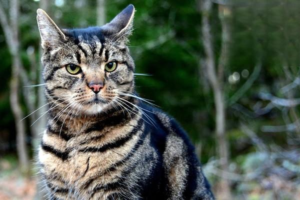
A Siamese cat's coat darkens for a reason that has nothing to do with sunlight: it is driven by temperature. These cats carry a variant of the TYR gene that limits production of the enzyme tyrosinase, which only works properly in cooler areas of the body. As the weather turns cold, the points, face, and ears grow darker, sometimes leaving a near-black 'mask.' The change is largely genetic and cannot be reversed, but keeping the cat warm and limiting iron-rich foods such as liver can slow the process. This article explains the science and what owners can realistically do.
Why a Dog’s Nose Changes Color
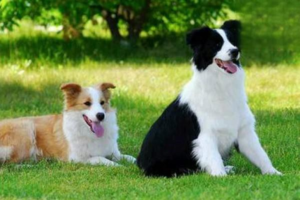
A healthy dog's nose is usually cool and moist, and a warm, dry nose alone doesn't prove illness—waking, hard exercise, heat/cold exposure, or old age do the same. Real fading comes from: age (pink as a pup darkens, then lightens in seniors as tyrosinase and melanin drop); illness or heat (returns after); season—'snow nose' in winter, returning with warmth; trauma (pink while healing); poor nutrition (low melanin); genetics/Dudley nose (permanent, harmless); allergy (contact dermatitis from plastics/metal—use glass/stainless); bacteria (swelling, crusts—vet); and vitiligo (immune, white patches, harmless). Protect a pink nose from sun; see a vet for bloody, foul discharge with weakness.