Search Results
1584 results for “type 2”

Lasiodora klugi
The Bahia scarlet tarantula (Lasiodora klugi) is native to the tropical rainforests of Bahia state, Brazil.
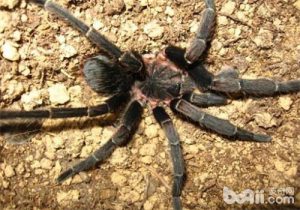
Costa Rican Zebra
The Costa Rican zebra tarantula is native to Mexico, Guatemala, and Costa Rica. Adults reach a leg span of 14–17 cm and are known for a gentle, easily tamed temperament.

Mud and Musk Turtles (Egg Turtles)
The 'egg turtle' is not a single species but the common nickname for the family Kinosternidae — mud turtles and musk turtles — named for their smooth, egg-shaped carapace. Mostly North American, they are popular, interactive pets, but each species differs in size, care difficulty and husbandry, so research the exact species before buying.

Golden Python
The Golden Python is a patternless, leucistic morph of the Burmese python (Python bivittatus), prized for its uniform golden-cream coloration. Wild-type individuals cannot survive in nature due to a lack of protective melanin, so every specimen in captivity is captive-bred. A large, heat-loving constrictor, it needs steady temperatures of 26–33°C, regular soaking to aid shedding, and a diet of whole rodents or rabbits.

Leiomyomas in Dogs and Cats
Leiomyomas are benign smooth-muscle tumors that can arise wherever smooth muscle exists, such as the uterus, stomach, intestine, and blood-vessel walls. Dogs are affected more often than cats. Surgical removal is the usual treatment, and follow-up care prevents spread.

Myomas (Rhabdomyomas and Leiomyomas) in Dogs and Cats
Myomas are muscle tumors that include rhabdomyomas and leiomyomas and may be benign or malignant. In dogs the malignant rhabdomyosarcoma is most often seen, with an unclear cause that may be hereditary. They can occur in any muscle-containing organ and are hard to remove once invasive.

Osteosarcomas in Dogs and Cats
Osteosarcoma is a malignant bone tumor from abnormal osteoblasts, most common in large and giant dog breeds. The main sign is lameness, with swelling, pain, and possible pathological fracture. Early limb amputation plus anti-cancer medication is standard, but the outlook is poor.

Papillomas in Dogs and Cats
Papillomas are benign tumors of the skin's outer layer, among the most common epidermal tumors of dogs and rare in cats. They appear as cauliflower-like, often stalked warts that can bleed when injured. Many regress on their own, while others are removed surgically.

Perianal Adenomas in Dogs
Perianal adenomas are modified sebaceous tumors that occur almost only in dogs, more often around the anus of male dogs. They are usually multiple, raised, and benign, though females can show malignant forms. Surgery or freezing removes them, and castration helps.

Sebaceous Adenomas in Dogs and Cats
Sebaceous adenomas are usually benign, curable skin tumors of older dogs and cats, most often on the back, sides, limbs, and head or neck. They appear as firm, movable, hairless lumps that may ulcerate. Complete removal or freezing cures the benign forms.