Search Results
227 results for “turtle water change”

Essential Turtle Care Tips for Beginners
New to turtles? Use a disinfected, escape-proof tank; let tap water sit in sunlight 2+ days; keep water at 0.5–1× shell depth and change it at the warmest time of day; hold temperature near 25°C; give a basking platform for daily sun; and feed chopped, de-spined food to hatchlings. This guide covers the basics.

What to Do About Abnormal Turtle Stool
Abnormal turtle stool often points to gut trouble. Check the vent for stains (parasites or enteritis), white discharge (kidney disease), or water stools in new arrivals (just stress). Feed a balanced diet every 3 days and keep water clean at 20–25°C. This article explains the checks and care.
What to Do When a Turtle Has Diarrhea
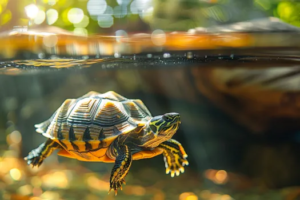
Normal turtle poop is firm and dark; diarrhea is watery, formless, and may be green. Stop feeding first, keep temperature steady, and observe. For land turtles, add fiber; if it persists, use oxytetracycline or berberine. Preventing diarrhea means clean food, stable temperature, and probiotics. This article covers causes and care.

What to Do When a Turtle Is Constipated
Turtles constipate from low fiber, overfeeding, or cold season changes, showing no stool, poor appetite, and less activity; severe cases risk obstruction. Treatments: cooler water, pediatric enema, or edible oil; see a vet if these fail. This article explains how to tell and fix it.
How Can I Raise a Turtle Well?
Basics: provide a suitable tank with filter, heater, lighting for stable water, temperature, and light; add a basking platform. Feed age-appropriate food (small fish, shrimp, vegetables, fruit, dried food), control portions to avoid obesity. Regular water changes and tank cleaning to protect health.
Key Things to Manage When Keeping Turtles in Summer
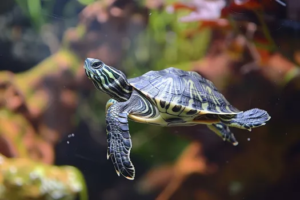
Summer is the fastest growth season for turtles, and their appetite increases greatly. But to protect their digestive health, owners must feed sensibly to avoid obesity or gastroenteritis and fatty liver disease from overeating. Our pet care specialists walk you through the key points of summer turtle keeping.

Turtle Species Suitable for Deep-Water Keeping
There are many kinds of turtles, some suit deep-water keeping and some prefer shallow water. Today our pet care specialists introduce some deep-water turtle breeds that do well in deep tanks. Deep-water turtle fans can read on.

Tips for Keeping Turtles in a Glass Terrarium
A glass terrarium makes turtles easy to watch and move, but needs care: a plain clear box, enough space, a quiet spot under 40 decibels, a basking platform, live plants, a filter pump, and a thermometer, plus shallow, clean, regularly changed water.
My baby turtle barely moves, neck twisted to one side and circling in water—what’s wrong?
When a turtle refuses water and shows limb weakness, it is generally in a diseased state. Common causes include malnutrition, dehydration, respiratory disease, pneumonia, and enteritis. Respiratory disease can co-occur with enteritis and pneumonia and is common in turtles, especially during seasonal changes. Test in deep water for floating tilt and abnormal breathing; if unclear, visit an exotic-animal vet.

How to Manage and Care for Turtles in Summer
Although summer is the fastest growth period, with big appetite and fast growth, poor management still hurts results. Our pet care specialists detail the key summer issues to help improve your turtle-keeping.