Search Results
26 results for “turtle stress”
What to do if a red-eared slider won’t eat?
Likely water temperature: ideal is 23–30°C. Below 15°C it hibernates; above 35°C it refuses food. Adjust to 23–28°C, wait 1–2 days, vary the diet, and rule out new-environment stress or enteritis.
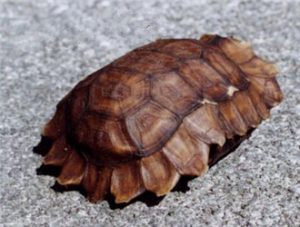
Forest Hinge-back Tortoise
The African hinge-back tortoise (Kinixys erosa), also called the forest hinge-back, is one of the most prized hinge-back tortoises from Africa. It can fold the rear of its carapace — a unique defense and breathing aid — and demands high humidity and experienced care.
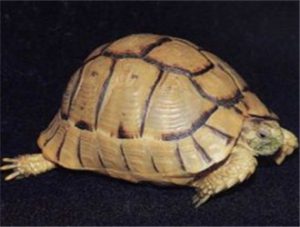
Egyptian Tortoise
The Egyptian Tortoise (Testudo kleinmanni) is the smallest tortoise in the Northern Hemisphere and the most fragile, hardest-to-keep Mediterranean tortoise. Tiny changes in environment or diet can cause stress death; do not mix it with other turtles.

Home’s Hinge-back Tortoise
The Home's Hinge-back Tortoise (Kinixys homeana) is a shy, high-difficulty African tortoise known for its hinged rear carapace and a 90-degree rear shell drop. It prefers warm, humid conditions with ample shade and a varied omnivorous diet, but is prone to stress-induced sudden death, so it is not recommended for beginners.
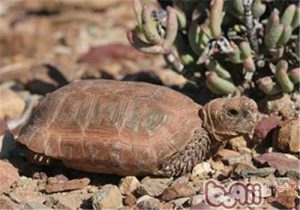
Boulenger’s Cape Tortoise
Boulenger's Cape Tortoise (Homopus boulengeri) is a rare and little-studied tortoise from South Africa's Karoo region, resembling the Speckled Cape Tortoise but slightly larger and reaching up to 13 cm. Few are kept in captivity, and conservation awareness for this species remains limited.
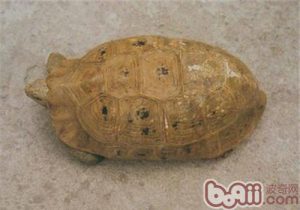
Celebes Tortoise
The Celebes Tortoise (Indotestudo forstenii), also called the Sulawesi tortoise, is a herbivorous land tortoise native to the Indonesian islands. It resembles the Burmese mountain tortoise but grows slightly larger, and is relatively easy to keep in captivity.
- « Previous
- 1
- 2
- 3