Search Results
230 results for “turtle shell rot”
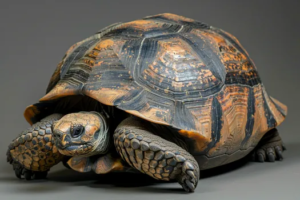
Turtle Shell Shedding? Watch for Shell Rot
Shell shedding is normal and healthy; beginners may worry, but there is no need. Here is why turtles shed, plus how to tell it from shell rot.

What to Do If a Golden Coin Turtle Has Shell Rot
Treating golden coin turtle shell rot starts with observing severity, since mild and severe cases differ in method, choose the most suitable based on the actual symptoms. Our pet care specialists analyze the treatment methods.

How to Treat Shell Rot in Turtles
Shell rot is a common external disease in pet turtles. The symptoms are obvious and easy to diagnose, but it's tricky to handle, and many beginners are at a loss. Poor handling can worsen or even kill the turtle. Today our pet care specialists detail the treatment methods, hoping to help.
What causes shell rot in a pig-nosed turtle?
Shell rot in a pig-nosed turtle is usually caused by poor feeding habits and unsuitable keeping conditions. For example, insufficient phosphorus and calcium in the diet can cause shell rot. Poor water quality, low humidity, or an overly dry environment can also negatively affect the turtle's shell. In addition, when a pig-nosed turtle contracts certain diseases, shell rot may also appear, such as shell-rot disease. Therefore, to prevent shell rot, the keeper should feed and manage the pig-nosed turtle properly and provide it with an appropriate diet and living environment.
What medicine treats shell rot on a pearl turtle’s plastron?
Rotten plastron on a pearl turtle can generally be treated with chlortetracycline or erythromycin. Shell rot cannot heal by itself, so if this occurs the owner should take measures promptly. First, clear away the already-rotted shell, then apply povidone-iodine to disinfect, and finally apply erythromycin ointment. After applying the medicine, keep the pearl turtle in dry conditions out of the water. If the plastron rot is relatively severe, you should also give it some oral anti-inflammatory medication for treatment.
How Long Does It Take to Cure a Turtle’s Shell Rot?
Recovery from shell rot depends on the cause and severity. The most common cause is bacterial invasion after shell injury or abrasion.
How long does it take a turtle’s shell rot to heal?
Shell rot heals in about a month. Dry-dock the turtle, remove rotten scute, disinfect, and apply erythromycin daily with short soaks.
How long should a turtle be kept dry after shell rot?
The dry-keeping duration after shell rot depends on severity and treatment response; a sick turtle usually needs about a month to recover. Shell rot is common, often caused by poor water quality or bacterial wound infection, and shows as whitening, ulceration and odor. Dry keeping is key, along with applying iodine and anti-inflammatory medicine.
How long to cure a pignose turtle’s shell rot?
Shell rot improves in 3-4 days; treat by isolating, disinfecting with iodine, applying erythromycin and dry-keeping with daily soaks. Full cure takes 7-10 days.
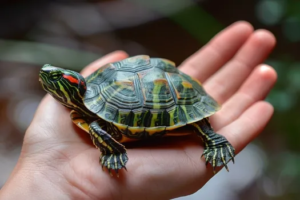
Why Is My Turtle’s Shell Rotting?
A rotting shell loses the turtle its main shield, and it usually comes from imbalance: poor diet short on vitamins and minerals, skipped cleaning that lets bacteria and parasites invade, too little light and wrong temperatures, or untreated scrapes that get infected. Feed a complete, balanced diet; rinse the shell weekly and keep the tank water fresh to stop bacteria; give proper sunlight—it disinfects—and steady warmth; and pad the enclosure so the shell isn't injured. If you spot damage, treat it early before infection spreads. Steady, careful care is what keeps a turtle's shell sound.