Search Results
230 results for “turtle shell rot”
First-time turtle owner; is it sick? Does it look like it won’t live long?
The photo suggests shell rot: ulcers, gray-white patches, tissue death, odor, from poor water or infected wounds; untreated it can die. See an exotic-pet vet or dry-dock, apply iodine and antibiotics; severe cases are uncertain.
What Causes a Turtle to Float?
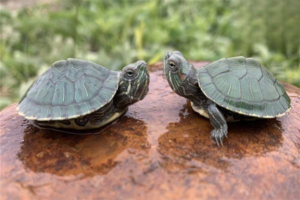
A floating turtle may have pneumonia, gastroenteritis, malnutrition, or simply enjoy floating. Pneumonia and enteritis bring other signs like open-mouth breathing or vent discharge, while malnutrition needs a better diet.

How to Dry-Dock a Sick Turtle (Step by Step)
Dry-docking keeps a sick turtle out of water to heal skin or shell disease (shell rot, skin rot, swollen eyes). Use a tortoise box, a double-box heater setup, or a heated tub; soak the turtle 1-2 times daily in same-temperature water for feeding. Don't dry-dock too long or it dehydrates and risks shell curl and rickets.

Are You Dry-Docking Your Turtle Correctly?
Dry-docking means keeping a sick turtle out of water in a dry container to aid healing, but it's conditional — aquatic turtles must never be without water or they dehydrate and die (some, like the pig-nosed turtle, are in danger after just hours). Soak 1-3 times daily, limit sun, and heat the enclosure in cold weather.

How to Dry-Dock a Turtle and What to Watch For
Dry-docking means keeping a turtle out of water in a dry, warm, humid spot to heal — NOT starving it of water. Soak 1-3 times daily for 10-60 minutes and feed during soaks; it helps shell rot, skin rot, and swollen eyes. Never dry-dock long-term (dehydration, shell curl, rickets); dry the turtle and return it to the heated box after each soak.

Value and Uses of the Alligator Snapping Turtle
Some keep alligator snapping turtles for love, others for their value. They are highly valuable for ornamental, edible, and medicinal uses. Here is a look at the value and roles of this turtle.

Biological Traits of the Alligator Snapping Turtle
The alligator snapping turtle's traits include fast growth, heat tolerance, a mixed diet, strong adaptability, and a unique look. Here is a deeper look at its features and biology.
What color is a purebred Florida snapping turtle?
A purebred Florida snapping turtle's plastron is usually light yellow. It is a large turtle up to 47 cm, with a triangular head, gray-brown top with black spots and spiny bumps, and a head that cannot fully retract. The carapace is generally oval; hybrids may have a fan-shaped carapace.
My West African side-neck turtle has been listless for two weeks, inactive and sleepy, and today it can’t even open its eyes. I first thought it was shedding, but it’s still lethargic with poor appetite, looking near death. What’s the cause and solution? I have a biology degree, so if there’s a medication plan you can give it directly — I can understand and compound it.
From your description — lethargy, poor appetite, eyes that won't open — and the photo showing white eye discharge and white rotten flesh on the forelimb, this is likely shell rot or white-eye disease. Take it to a hospital, or dry-dock it and bathe 1 hour daily in amoxicillin; apply erythromycin ointment to the eyes 3x daily. Severe infection may need intramuscular antibiotics, with careful dosing.
What is the largest species of snapping turtle?
The alligator snapping turtle is the largest snapping turtle species. Adults have a shell 0.4-0.7 m long and a body 0.75-0.9 m long, weighing 45-75 kg, with the largest reaching 107 kg; males are generally larger than females. It retains primitive features with saw-tooth ridges on its shell and a hooked, eagle-like beak.