Search Results
13 results for “turtle calcium deficiency”

Why Is Your Turtle’s Shell Turning White?
A turtle's shell can turn white from normal shedding, shell rot, alkaline water, or calcium deficiency. Shedding needs clean water and no peeling; shell rot needs isolation and antibiotic ointment; water or calcium issues need pH control, sunlight, and vitamin D3.

How to Treat a Soft Turtle Shell
A soft turtle shell is usually caused by calcium or vitamin deficiency, lack of sunlight, or prolonged soaking. Correct it by adding calcium powder or small shrimp to the diet, supplementing vitamins, and giving the turtle regular sun exposure — but expect slow recovery of 4–6 months.

A Turtle’s Main Nutritional Needs
A turtle needs protein, fat, carbohydrates, minerals and vitamins; a lack of any stalls growth, causes disease and can be fatal. Protein demand falls with age (hatchling > juvenile > breeder > adult) and must be animal-based; fat carries vitamins A/D/E/K but rancidizes if not stored cold and sealed; starch is best around 22.7–25.3%. Captive turtles also need added calcium, phosphorus and a complex vitamin mix.
My turtle’s shell is white but the white disappears in water and the shell is slightly raised; is it saprolegnia?
White shell can be water scale, normal shedding, calcium deficiency, or fungal infection. Feel the shell and use antifungal treatment if it is fungus.
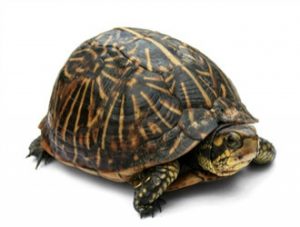
Florida Box Turtle
A strikingly patterned subspecies of the common box turtle from Florida, with a high domed shell, a hinged plastron, and a lifespan that can exceed a century.

Razor-backed Musk Turtle
The Razor-backed Musk Turtle (Sternotherus carinatus), affectionately called the 'razor' or 'little razor,' has a uniquely keeled, roof-like carapace. A common and easy musk turtle, it is active and interactive with keepers.

Sonoran mud turtle
The Sonoran mud turtle is an uncommon, nocturnal musk turtle from the southwestern United States and northern Mexico, notable as the only subspecies in its group with night-active habits. A medium-sized aquatic turtle, it adapts well to captive care once settled.
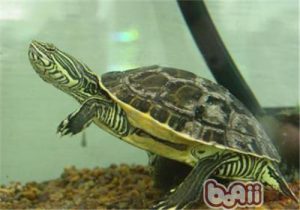
Eastern Chicken Turtle
The Eastern Chicken Turtle is uncommon in China, as its plain appearance is not popular, and as a tropical species it is rare in cold regions.
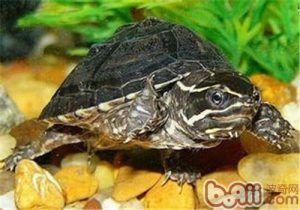
Mud Turtle
The Mud Turtle is not a single species but a group of turtles sharing common traits in body structure or distribution, classified under one family. The family Kinosternidae includes the mud turtles and musk turtles.
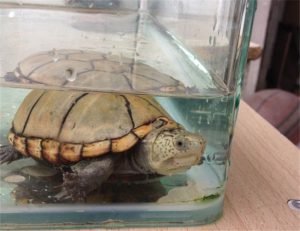
Kinosternon alamosae (Alamos Mud Turtle)
The Alamos mud turtle lives in aquatic-rich habitats and unique ponds, retreating into mud to aestivate during dry periods. In the wild it eats insects, small shrimp, and other invertebrates, and is a shy turtle that withdraws into its shell when threatened.