Search Results
360 results for “tracheitis”

Can Cats Get a Fever?
Yes, cats do get fevers, though their naturally higher body temperature makes it hard to spot. Watch for a dry, hot nose, warm ears and tail tip, lethargy, and heavy drinking, and confirm with a rectal thermometer reading.

Why Cats Cough: Feline Herpesvirus (Cat Flu)
Feline viral rhinotracheitis, or cat flu, is a highly contagious upper-respiratory infection; over 90% of cats carry the virus and show signs only when stress drops their immunity. Typical signs are fever, lethargy, poor appetite, eye and nose discharge, conjunctivitis, and sneezing, with coughing in some; kittens can develop pneumonia. A caught cat needs eye/nose care, L-lysine, and antibiotics against secondary infection.

What to Do If a Dog Is Vomiting Blood
Vomiting blood can point to the throat, stomach, or intestine depending on whether the material is undigested, partly digested, or mixed with clots or coffee-ground matter, and on whether the vomiting comes before or after diarrhea. Distinct patterns flag particular diseases — parvo enteritis (diarrhea then vomit, tomato-juice stool), distemper (vomit then diarrhea with blood), corona (vomit first, eases with diarrhea), and infectious hepatitis (vomit with ravenous drinking) — so the vet matches the pattern to the cause.

How Cat Health Relates to Nutrition
Pet cats are fully domesticated and far more delicate than stray cats, so nutrition — not just any kibble — is what keeps them well; spend on prevention through good food rather than on treatment. Favor natural options like raw meat, egg yolk, and goat's milk, use immune boosters such as transfer factor, and skip treat-pouches and gravy toppers that are mostly attractants.

Do Cats Cough?
Cats do cough, though far less often than people — and when they do it usually points to a problem. Causes range from stress and allergies to colds, bronchitis, hairballs, or feline asthma, and because a coughing fit looks a lot like gagging, a lowered head and stretched neck is the tell-tale posture. Pin down the cause before treating, and see a vet if it persists.

What to Do When a Hairless Cat Catches a Cold
Hairless cats have no fur to insulate them, so they catch chills easily—keep a sick cat warm, hydrated, and well-fed, and use heat-clearing or antiviral medication for cold symptoms. If eye discharge, red eyes, or fever appears, the cause may be feline rhinotracheitis and needs prompt veterinary care. Year-round, hairless cats need indoor living, clothing in winter, regular wiping in summer, and a calm, safe environment.

Kitten Cold: Symptoms and Care
Kitten colds move through three stages — early (dry warm nose, mild sneezes, normal appetite), middle (low energy, red eyes, fast breathing, thick discharge), and late (eye and nose crusting, mouth ulcers, fever) — and can mimic panleukopenia or rhinotracheitis, so don't delay. Warmth, nutrition, and vet-approved meds (never human pills) are the plan, with vaccination as prevention.

Can Kennel Cough Be Cured? Symptoms and Treatment
Kennel cough is a highly contagious canine respiratory infection (canine adenovirus type II) marked by a harsh, barking, often night-worse cough. Most cases are mild and clear with cough control plus antibiotics, though puppies under six months can develop dangerous bronchopneumonia.

Medications for Treating a Cat’s Cold
Cat colds are usually treated with pet-specific antibiotics such as amoxicillin-clavulanate, doxycycline, or enrofloxacin, given strictly by weight. Keep a mildly affected cat warm and observe it at home, but see a vet if symptoms last beyond 3–5 days or a viral infection (calicivirus or herpesvirus) is suspected.
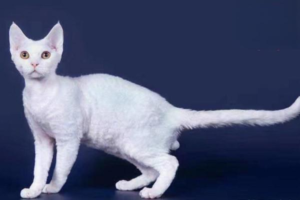
Cold Symptoms and Fever in Sphynx (Hairless) Cats
Sphynx (hairless) cats lack a fur coat and lose heat far more easily, so they catch colds more readily than other breeds. Mild cases with a low fever under 39.5°C can often recover at home with warmth and supportive care, but a cat that won't eat, grows weak, or fails to improve needs prompt veterinary attention.