Search Results
360 results for “tracheitis”
Is feline rhinotracheitis (cat flu) contagious?
Feline rhinotracheitis spreads cat-to-cat but not to people. Here is how and how to prevent it.

Puppy Tracheitis and Bronchitis: Symptoms and Treatment
Dog tracheitis and bronchitis come from repeated viral or bacterial infection plus cold, smoke, and dust irritation, but with good home care and the right medication the recovery rate tops 95%. Watch for cough, fever, and breathing trouble.

Early Signs of Cat Rhinotracheitis (Feline Herpesvirus)
Cat rhinotracheitis, caused by feline herpesvirus-1, is a highly contagious respiratory infection that spreads quickly between cats. Early signs look a lot like a cold — watery eyes, sneezing, nasal discharge, low energy, and poor appetite — but left untreated it can turn serious and even fatal. Isolating a sick cat and seeing a vet promptly are the most important first steps.

What to Give a Dog with Tracheitis
Tracheitis is a common canine respiratory disease and is curable if treated — but uncontrolled it can be fatal. Cough with phlegm responds to a vet-formulated expectorant paired with a cough remedy; add a cold remedy if sneezing appears, and keep the dog warm.

Why Your Cat Snores in Its Sleep
Cat snoring can be normal — brachycephalic breeds have bent airways, and deep sleep or a twisted neck can bring it on — but obesity and sudden respiratory disease are causes worth acting on. Judge the reason by the cat's build, habits, and any other symptoms.

Why Dogs Cough and How to Treat It
An occasional cough is normal, but frequent coughing deserves attention — it can be a simple cold, tracheitis, or something far more serious like distemper. Rest the dog, match the treatment to the cause, and keep vaccinations and a clean living space current to prevent recurrence.

Why a Puppy Has Thick, Yellow Eye Discharge
Thick yellow eye discharge in a puppy — medically a mucopurulent secretion — usually means 'heat,' a cold, a simple eye irritation, or a distemper infection. Check the puppy's vaccine history and watch for fever or cough to rule out distemper, then clean the eyes often, switch to bland food, and see a vet if it lingers.

Why Your Cat Breathes Loudly While Sleeping
A loud purr or snore during sleep is often just contentment, but pair it with sneezing or coughing and a respiratory infection is likely — narrowed airways make breathing noisy. Mild cases respond to doxycycline, while severe ones need nebulization, fluids, and a vet's diagnosis.
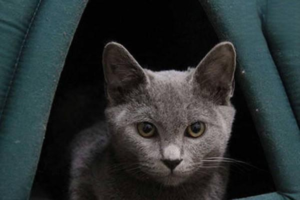
Diseases Cats Are Prone to in Winter
Winter weakens a cat's defenses, raising the risk of three problems: panleukopenia (distemper) — highly contagious, often fatal in kittens, prevented by vaccination; feline herpesvirus (cat flu) — carried silently, deadly when it flares in the cold; and chill-driven vomiting/diarrhea that can become gastroenteritis. Keep up vaccines and nutrition, stay warm, and limit winter baths to once every one to two months.

What If Your Cat’s Cold Won’t Clear Up After Treatment?
If a cat's cold lingers after shots and medicine, the cause is usually poor home care or the wrong treatment — and viruses like herpesvirus can flare again. Support recovery with isolation and disinfecting, warmth and humidity, face cleaning, probiotics, and plenty of water; if it worsens, rule out panleukopenia or rhinitis at a clinic.