Search Results
149 results for “tick bath”

Characteristics of a Puppy’s Weaning Period
The weaning period is a major transition for puppies. As the mother's milk declines, the pups' fast growth pushes their nutritional needs up, and their digestion begins adapting to soft foods like thin meat porridge. This stage is also stressful and disease-prone — maternal antibodies hit a low around 40 days, so a careful plan matters: start supplemental feeding at 25–28 days, keep the original cage while moving the mother away, follow a fixed feeding schedule to avoid hypoglycemia, and stick to the deworming and vaccination timeline (e.g., Nobivac 2-way at 35 days, 4-way at 50 and 70 days).

How to Layer Hamster Bedding
Hamster bedding should be spread evenly and changed on a schedule that fits the material. Wood shavings are the most common and budget-friendly choice, but they absorb poorly and trap odor, so in summer they need frequent changes. Wood pellets are low-dust and long-lasting, good for summer, while corncob bedding must be sun-sterilized first. You can also mix tofu or bentonite litter into the blend, and always layer urine sand beneath a topping of shavings rather than mixing the two. Tidy, ordered bedding makes soiled spots easy to spot and clean.

What to Prepare When You Bring a Cat Home
Bringing a cat home means stocking up on a few essentials first. You'll need a litter box (open or semi-enclosed) with tofu litter and a scoop, plus ceramic or stainless steel food and water bowls and at least two water stations. For food, a quality dry kibble, occasional boiled chicken or beef, and a weekly wet-food meal cover the basics, with treats kept to a minimum. Scratching posts and teaser toys keep your cat active and protect your furniture, while nail clippers, cat-safe shampoo, a carrier, and a pet disinfectant handle grooming and outings. Finally, hairball remedies and a regular parasite-control plan keep your new companion healthy.

Keeping Your Dog Free of Skin Problems in Summer
Summer's heat and humidity breed bacteria and parasites, so skin trouble spikes. Bathe and dry the coat with a pet shampoo, avoid strong midday sun to prevent burns, and keep the living space clean and dry. Use a monthly topical preventive with selamectin or fipronil to block fleas, lice, mites and ticks, and feed vitamins and protein to lift immunity. See a vet for itching, hair loss or rashes.

Why Does My Cat Still Itch After Deworming?
A cat that keeps scratching after a dewormer isn't necessarily proof the product failed. Dewormers kill parasites but not skin problems, and the wrong product, wrong application, or an untreated home can all leave itching in place. Flea-allergy dermatitis, mites, dry skin, and stress can itch too. Mild scratching for a day or two may just need patience; anything longer with skin damage needs a vet.

Is Dog Neutering Risky for Infection in Summer?
Neutering a dog in summer does raise the chance of wound infection, because heat, humidity, and heavier sweat and oil let bacteria multiply faster and slow healing, while mosquitoes and fleas add irritation. With good care, though, a summer surgery can still go smoothly. Keep the incision clean and dry, use an Elizabethan collar, limit activity, provide a dry clean space, feed quality food, control parasites beforehand, and check the wound often for swelling, discharge, or odor, seeing a vet for anything abnormal. Choose a reputable clinic for the procedure.

How to Choose a Reliable, Budget-Friendly Dog Dewormer
Owners often swing between over-priced imports and risky unlicensed bargains—both can harm the dog. Deworming is non-negotiable: internal worms steal nutrition and damage the gut, while heartworm stays silent until it is serious, and external pests spread disease to people too. This guide explains why deworming matters, the active ingredients by parasite type (including the Collie warning on ivermectin), and how to choose and use a product safely—spectrum, convenience, credentials, correct dosing, and the myths that lead owners astray.
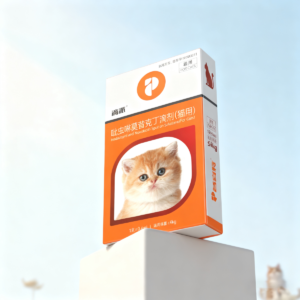
Cat Deworming: A Beginner’s Guide
Choosing a cat dewormer confuses many new owners, and a wrong pick can fail to work or even cause allergy, gut irritation, or liver damage. The good news is that careful, budget-friendly choices are possible. This guide explains why indoor cats still need deworming, how a combined internal-and-external spot-on (imidacloprid plus moxidectin) works, the correct application steps, and the three myths to avoid—including that dog products can be toxic to cats. Regular, correct deworming protects both cat and family.

How to Choose a Parasite Treatment: Internal, External, and Combined
Parasites threaten every pet, even indoor ones, and choosing among internal, external, and combined treatments is where new owners get stuck. This guide lists the common parasites cats and dogs face, explains the three product categories and their typical active ingredients, and answers beginner questions—why deworm even with no visible bugs, where to apply drops, when bathing is safe, and whether imports are always better. The takeaway: deworming is a long-term habit built on the right product, correct use, and consistency.

Winter White Dwarf Hamster
The Winter White Dwarf Hamster (Phodopus sungorus), also called the Djungarian hamster or Russian dwarf, is the easiest and tamest of the small hamsters and turns white in winter. A solitary species, it needs a safe cage, a wheel, and a careful diet free of onion, chocolate, and apple seeds. Lifespan 2–3 years.