Search Results
158 results for “tick bath”

45 Essential Tips Every First-Time Dog Owner Should Know
Bringing a dog home is a decade-plus commitment. This guide packs 45 must-know basics for new owners — from pre-arrival prep, feeding, and vaccines to grooming, deworming, and behavior training — so you can keep your dog healthy and avoid the common mistakes that cause illness, fear, or bad habits.
What supplies are essential for keeping a hamster?
Essentials: cage, wheel, hanging water bottle, food bowl, wood-shaving bedding, chew stick, sand bath, toilet. Plus hamster food and occasional dried fruit/veg/nuts as treats. They're omnivores with real exercise needs — the wheel matters.
Why is my dog shedding skin and fur on its nose and body, and what medicine helps?
This is likely a fungal or mange (mite) skin infection, often from a damp unclean home, vitamin deficiency, or missed flea/tick prevention. If you can't see a vet, try veterinary B-complex orally plus a skin spray; bathe with a medicated wash and do external deworming after 3 days. Use an Elizabethan collar.

Why Do Dogs Get Eczema?
Dog eczema is triggered by allergies, physical or chemical irritants, heat and humidity, arthropod bites, excess carbohydrates or vitamin gaps in the diet, and underlying skin disease. Keep the coat dry, the environment clean, and allergic dogs well managed to lower the risk.

Why Does My Dog Have Red, Crusty Skin Patches
Red, crusty spots can come from parasites, fungal or bacterial infection, allergies, or injury. Small wounds can be cleaned with iodine and an Elizabethan collar; larger or spreading patches need a vet skin scrape to find the cause. Early treatment is cheap — don't delay.

Why Do Dogs Develop Lyme Disease?
Lyme disease in dogs is caused by Borrelia burgdorferi transmitted through tick bites, with only a small fraction of infected dogs showing symptoms such as fever, joint swelling, or kidney issues. A vet confirms diagnosis via blood or urine tests, and treatment centers on a course of antibiotics.
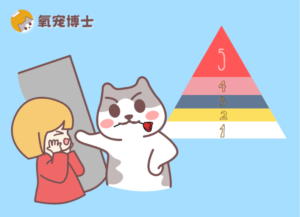
5 Levels of How Much Your Cat Loves You
Cats show love quietly. The five levels run from simply watching and trusting you, to seeking you out, bringing you 'gifts,' exposing the vulnerable belly, and finally showing distress when you're gone. Wherever your cat lands, the key is to respect its individual personality.

How to Deworm Your Cat Properly
Internal dewormers come as granules or tablets — place a tablet at the back of the tongue and close the mouth, or mix powder into food. External spot-ons are dripped onto the skin at the back of the neck. Dose strictly by weight and follow a schedule based on your cat's age.

Choosing a Cat Dewormer: Why Combination Spot-Ons Suit Multi-Cat Homes
For mostly-indoor cats, a broad-spectrum, gentle combination spot-on is the most cost-effective and stress-free choice—and because most cats hate pills, a transdermal drop avoids force-feeding and the anxiety it causes, which is ideal for beginners and multi-cat households. Useful active types include imidacloprid-moxidectin (prevents a dozen-plus internal and external parasites and heartworm), fipronil-methoprene-eprinomectin-praziquantel (adds tapeworm and tick coverage for outdoor or raw-fed cats), and selamectin (very gentle from six weeks, pregnancy-friendly). In a multi-cat home the real work is operational: deworm all cats together, dose strictly by weight, use an Elizabethan collar and separation to stop licking, and avoid baths 48 hours around treatment. Above all, prevention beats treatment.

How to Read Your Cat’s Mood From Its Ears
A cat's ears are a precise emotional radar: 32 independent muscles let them rotate 180 degrees to pin sound, and their position shifts with mood in real time. Forward and relaxed means content and trusting; upright and swiveling means alert and defensive, so don't disturb; flat back against the head (the "airplane ears") means fear or stress and a risk of fleeing or lashing out, so move the cat to a calm space and consider a pheromone spray. A single tilted ear shows curiosity, and frequent flicking just means something tickled the ear. Reading these cues helps you interact at the right moment and avoid forcing contact when the cat is uneasy.