Search Results
39 results for “three-line”

How to Tell Campbell’s (Three-Line) from Winter White (One-Line) Hamsters
Hamster breeds look alike, but eye color, coat, and body shape separate the one-line (Campbell's) from the three-line (Winter White) groups. This guide covers the tells and notes the three-line is the tamer pet.
What is the personality of the three-lined hamster like?
The three-lined hamster is naturally energetic, loving wheels, climbing, and digging, with high exercise needs. Shy and preferring solitude, it is wary of new things and strangers, needing a quiet home, yet curious and happy to explore and chew toys and interact simply.
What is the difference between a Roborovski hamster and a dwarf (three-line) hamster?
Three-line hamsters include Silver Panda and Pudding; they have three clear back lines and black ears/eye-ring fur. Roborovski (old-man hamster) has white eye and cheek fur, giving an old-man look, and a plain brown back with a white belly.
What do three-line hamsters mainly eat?
Hamsters mainly eat grains and seeds; use hamster food as the staple, plus moderate nuts, vegetables, and fruit—but avoid too much water or sugar to prevent stomach upset, and don't overfeed nuts.
At what age can a three-lined hamster breed?
A three-lined hamster matures at about 40 days, but the best breeding window is 3 months to 1 year. Wait until 3 months for full development; control frequency after birth since frequent breeding harms the mother.
What is the lifespan of a three-lined (dwarf) hamster?
A three-lined hamster generally lives 2 to 3 years, most about 2.5 years and a few over 3. The Roborovski is the longest-lived breed, over 3 years with good care. Breeding shortens females' lives versus males; unfertilized females live longer than males.

How to Care for a Money Turtle (Three-lined Box Turtle)
Money turtles need a warm, sheltered pond with sandy substrate, shade plants, and a basking island, plus clean water kept at 24°C+ and a varied omnivorous diet. Separate turtles by size to prevent cannibalism, and protect them from cold and summer heat stroke during hibernation.
How to keep a three-lined hamster?
Prepare a sized cage with bedding, bowl, bottle, nest, toilet, wheel, slide. Feed grains, dried fruit, mealworms, or mix, controlled to avoid obesity. Clean bowl, bottle, toilet, change bedding, remove spoiled food.
An Introduction to Common Dwarf Hamsters
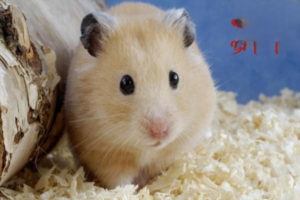
The dwarf (three-line) hamster is common in pet shops; wild ones show three clear back lines with black fur around ears and eyes. Types include the Silver Fox (light coat, visible or invisible back line), Pudding (orange-striped, yellow or cream), Violet (lilac in sunlight, faint line), Milk Tea (milk-tea coat, weak, inbred), Robo (tiny, white whiskers, shy but non-biting and often co-habitable, needs sand baths), and Teddy Bear (golden-brown, variable coat, sheds seasonally). Dwarf hamsters are docile and good for beginners.

Introduction to Pet Hamster Breeds
There are many hamster breeds and looks can mislead; some pretty ones are hard to keep. This covers three common types: the Campbell's, three-lined hamster, the Roborovski hamster, and the Syrian, teddy bear hamster, with their size, origin, and temperament.