Search Results
162 results for “temperature match”

Why Isn’t My Goldfish Growing?
A goldfish that stays small is usually a sign of husbandry problems rather than bad genes. The environment is the single biggest factor—a tank that is too small or water that is dirty, the wrong temperature, or low in oxygen slows metabolism and stalls growth. Diet matters just as much: too many carbohydrates and too little protein or vitamins restricts development. Feeding style, water testing, and waste removal also play a role. To help a goldfish reach its full size, give it a spacious, stable tank with filtration, keep water clean and well-oxygenated, and feed a high-quality food in small, frequent meals matched to its life stage.
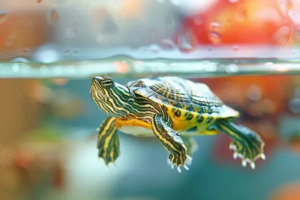
Which Turtles Are Cheap and Easy to Keep?
Popular pet turtles that are both affordable and easy include the Chinese pond turtle, red-eared slider, painted turtle, Burmese tortoise, yellow-spotted side-neck, Mississippi map turtle, flame turtle, mud turtle, and musk turtle. They resist disease and suit beginners. The Chinese pond turtle is native, interactive, and trainable; the red-eared slider is cheap, easy, and long-lived beyond twenty years; the yellow-spotted side-neck is colorful but needs a heater above 30 degrees as a tropical species.
Why Did My Blood Parrot Cichlid’s Tail Turn Black?
Blood parrot cichlids are popular aquarium fish, and owners are often alarmed when a fish's tail slowly turns black. The cause is usually practical rather than mysterious—water temperature swings, poor water quality, a fright, or a bacterial black-spot disease. Most cases trace back to husbandry, so the fix is often a better water routine. This guide explains the common reasons and the matching treatment to bring the color back.
Concerning Cases of Dog Vomiting
Vomiting itself is common in dogs, but certain patterns signal something more serious than a simple upset stomach. Seasonal vomiting is often pathological, and owners should match the symptom to its likely cause. A cold, a bacterial imbalance, or intestinal parasites each produce a distinct picture—from clear mucus with sneezing to worms appearing in the vomit. Knowing what to look for helps you decide between home care and a prompt trip to the vet, and ensures a heavy parasite load or deeper illness is not missed.
Why Is My Cat Vomiting Green Liquid and How Should I Treat It?
Seeing your cat bring up green liquid is worrying, but it usually points to one of a few common and manageable causes. The green color often comes from bile, which appears when the stomach is empty or the gut is irritated. Frequent triggers include acute gastroenteritis from weather changes or sudden diet switches, internal parasites, spoiled food, and hairballs that will not pass. The right response depends entirely on the underlying cause—some cases need only warmth and probiotics, while others call for prompt deworming or a vet visit. This guide walks through each possibility and the matching treatment.

How to Manage Chronic Indigestion in Dogs
Recurring indigestion in dogs is often linked to poor diet, food allergies, or conditions like gastroenteritis. Managing it starts with the right food: choose an age- and health-appropriate dog food, avoid greasy, spicy, or irritating human foods, and add vegetables, fruits, and fiber to support gut movement. Probiotics or digestive enzymes can aid digestion, while clean bowls and fresh water prevent contamination. Feed smaller, more frequent meals, transition diets gradually, and take your dog for a gentle walk about half an hour after eating to stimulate the gut. Persistent or worsening signs warrant a veterinary visit.

Essential Tips for Raising Healthy Rabbits
Rabbits are sensitive to their environment, and getting temperature, humidity, feed variety, and nighttime feeding right is essential to keeping them healthy. Their thick coat and weak sweat glands make it hard to release heat, so rabbits tolerate cold better than heat; a stuffy, humid hutch quickly leads to illness. Aim for about 20-27C, keep bedding dry, offer a varied diet instead of a single feed, and provide plenty of hay at night when rabbits are most active. These basics help prevent disease and support steady growth.

Can Dog Parvo Infect Humans?
Canine parvovirus does not infect people—it's a canine-only virus with no ability to cross species to humans. Owners should focus on saving the dog and stopping dog-to-dog spread, not on catching it themselves. Parvo is extremely contagious and often fatal among unvaccinated dogs, especially puppies, so fast veterinary care and thorough disinfection at home are what matter.
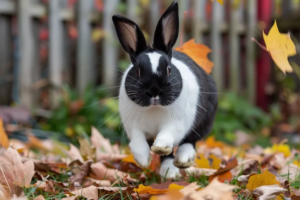
What Factors Affect a Rabbit’s Wool Production?
A rabbit's wool output depends on breed, sex, body weight, age, nutrition, and the season and temperature around it. Long-haired German-line rabbits usually produce the most fine wool, while females and neutered males tend to out-yield intact males, and rabbits between one and three years old are at their peak. Steady, balanced feeding with enough protein supports follicle growth, and cooler weather raises output. To boost production, choose strong breeding stock, use crossbred vigour, feed well, manage the environment, and harvest the wool on a sensible schedule.

Is Inhalation Anesthesia Safe for Dogs?
Dogs are usually anesthetized by inhalation or injection, and inhalation anesthesia is generally the safer choice because it places less burden on the organs. It costs more, though, and its effect is shorter, so it is less suited to very long surgeries where the dog might wake and struggle. Any anesthesia carries risk because it depresses heart, lung, liver, and kidney function, so the method should match the dog's pre-operative readings and health. Dogs with metabolic or liver and kidney issues are often better with inhalation. Watch for post-anesthetic reactions like acute kidney failure, irregular heartbeat, temperature swings, and airway blockage in flat-faced breeds.