Search Results
1512 results for “teeth”
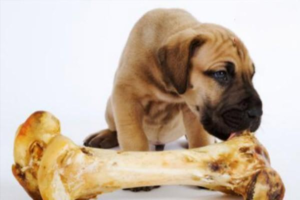
Should Dogs Eat Bones? How to Do It Safely
Vets often warn against bones because they are hard to digest and can block the gut, yet they also clean teeth, calm boredom, and add calcium. If you do give them, choose raw, large, non-hollow bones and avoid cooked poultry bones that splinter; cartilage, pressure-cooked bones, fish heads, necks, tails, frames, and pork fans are safer picks.

Guinea Pig Care Essentials
Guinea pigs (cavies) are social, vegetarian pets that need a companion, a roomy cage, constant access to hay and water, and never onion, garlic, meat, or human snacks. Keep them at 18 to 29°C away from cats and dogs, handle them with support, and groom, trim nails, and bathe in warm sunny spells.

Lop Rabbit Care Essentials
Lop rabbits make popular pets but need correct care. Buy a 2 to 3 month healthy one, feed pellets and hay as staples with small vegetable and fruit treats (none under 6 months), never meat or spicy food, and keep cats away to avoid toxoplasmosis. Litter-train early, walk at dusk on safe ground, keep 18 to 25°C, and groom, bathe monthly, and trim nails.

Preventing and Controlling Rabbit Colibacillosis
Rabbit colibacillosis (mucoid enteritis), caused by Escherichia coli, strikes weanling rabbits hardest with high death rates from watery, jelly-like diarrhea and dehydration. Prevention hinges on steady high-fiber feeding, clean dry housing, insect and rodent control, and feed-additive or vaccine prophylaxis.

What Do Guinea Pigs Eat and How to Care for Them
Guinea pigs are easy to keep, but new owners should learn the right diet and care: what to feed, how many meals a day, and so on. Here are the key points of guinea pig care.

Grasses and Plants Rabbits Must Not Eat
Not every grass suits a rabbit; many wild plants are toxic and can kill. Always avoid groundsel, potato and tomato vines, larkspur, castor bean, aconite, belladonna, datura, water hemlock, and others; some are toxic only when flowering, sprouting, or to lactating does. Safe staples are alfalfa (young and nursing), timothy, and Bermuda grass.

Benefits of Home-Cooked Meals for Dogs
Home-cooked dog meals give you control over safe ingredients, higher retained nutrition, easy diet tweaks for illness, easier digestion, lower allergy risk, lower cost, and better palatability. The trade-offs are softer food that needs dental care, the time to cook balanced meals, and the danger of toxic ingredients like onion, garlic, avocado, and grapes.

What Your Dog’s Different Facial Expressions Mean
A dog's face shows its mood: ears up with a closed mouth means calm, ears forward with a slightly open mouth means curious, ears back and mouth open means affection, while ears back and mouth slightly open signals nervousness. Ears forward with a C-shaped open mouth is a pre-attack warning, and flattened ears with bared teeth mean fear and a readiness to bite.

Will a Dog Bite Its Owner?
Once bonded, a dog is very loyal and won't bite without reason. But if pushed too far or harmed on purpose, it may fight back. Here are situations where a dog might bite its owner, so you can avoid them.

Why Puppies Refuse to Eat: Common Causes
Puppies have weak digestion and often refuse food. The cause can be illness, picky eating, physiological anorexia (teething, estrus, pregnancy), indigestion, parasites, a sudden food change, digestive enzyme deficiency, or serious disease such as parvovirus or distemper. Match the sign to the cause and see a vet when other symptoms appear.