Search Results
1512 results for “teeth”

Slow Loris
The Slow Loris (Loris tardigradus) is a small prosimian of the family Lorisidae and genus Loris. It is nocturnal, moves slowly, and prefers to rest atop tree branches. In recent years, due to habitat destruction, hunting for use in traditional medicine, overhunting, and its own biological traits, it is on the brink of extinction.
How Hamsters Sense the World: Often-Overlooked Facts
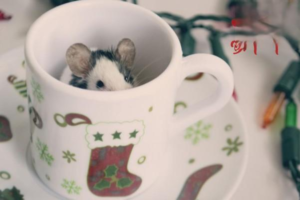
Hamsters have poor dynamic vision and see only in black and white, yet excellent hearing that picks up sounds we can't — so keep them away from loud noise. As rodents they must chew constantly; without chew toys their front teeth overgrow and can starve them, making apple-branch sticks and chew stones essential.

Signs of Aging in Hamsters and Common Senior Diseases
Hamsters begin aging around 15 months and show clear changes: a thinning coat, hunched back, leaner body, and less activity and appetite. Senior hamsters are prone to kidney failure, tumors, dental problems, cataracts, and constipation — conditions that are manageable but generally incurable, so attentive care is essential.
How to Care for an Elderly Hamster
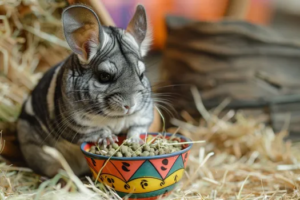
As hamsters age their teeth weaken and stamina drops, so care must adapt: switch to soft food (soak the lab block, add egg white, oatmeal, carrot, cucumber) but keep some hard block so teeth don't overgrow; use a single-level cage with the wheel kept; house the senior alone to avoid bullying; and give it more attention for a comfortable old age.

What Are a Rabbit’s Living Habits and Traits
Rabbits are timid, nocturnal, dry-loving, solitary chewers that eat only plants. They rest by day and eat 70%+ of their food at night, cool mainly by breathing so they need dry 14–20°C housing, fight if caged together, gnaw constantly to wear down open-rooted incisors, and must never be fed meat. A common myth is that they need no water — they do, in moderation.

A Beginner’s Guide to Choosing a Chinchilla
Chinchillas are easy, cute pets, but pick a healthy, well-tempered one to avoid later trouble. This guide covers health checks, good conformation, temperament, and the best age to bring one home.

What’s the Best Food for a Chinchilla?
Chinchillas are herbivores that eat mainly alfalfa and Timothy hay, much like rabbits—but they're greedy, so don't overfeed or you'll harm their gut. This guide covers foods, portions, timing and what to do if one stops eating.

How to Tell If Your Chinchilla Is Sick
Chinchillas are subtle when unwell, so early signs are easy to miss. This guide shows what to check—eyes, anus, droppings, coat, teeth—and lists common illnesses (cold, heatstroke, enteritis, dental) with symptoms.

Why Does Your Hamster Always Try to Escape the Cage?
Hamsters are tiny but need room to move, and a cramped cage makes them restless — a common reason they keep trying to bolt. Here are the usual causes and how to fix them.

What Are the Dangers If a Cat Eats a Cockroach?
Cats may hunt cockroaches, but eating them risks parasite and bacterial infection, mouth and stomach irritation from the hard exoskeleton, and poisoning if the roach carried insecticide. Watch for vomiting, diarrhea, drooling, or seizures and see a vet if they appear.