Search Results
1512 results for “teeth”
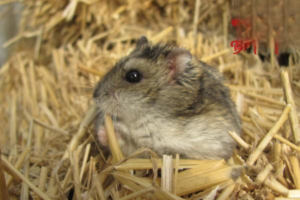
Can Hamsters Eat Meat?
Hamsters can eat small amounts of cooked chicken, fish, or beef, and live foods like mealworms, but meat isn't a dietary staple, so keep it occasional. Their base diet should be grains, with synthetic pellets for dental wear. Never give seasoned, cured, or raw meat; salt, preservatives, and bacteria or parasites in raw meat cause poisoning, diarrhea, or organ strain. Pork is fine cooked and in moderation since its fat drops after cooking; pregnant or nursing hamsters may get extra nutrition.

Treating Hookworm Infection in Dogs
Hookworm disease in dogs is caused by the dog hookworm (Ancylostoma) and the narrow-head hookworm (Uncinaria). These small parasites latch onto the intestinal wall and feed on blood; severe infection causes pale mucous membranes, weight loss, a rough coat, poor appetite, vomiting, and alternating diarrhea and constipation with bloody, tarry, foul stools. In puppies, skin invasion causes inflammation, and infection in 3-week-old pups can cause fatal anemia. Treatment starts with deworming—an injectable antiparasitic against hookworms, with pyrantel or levamisole also used for killing—and severe cases need supportive care such as iron supplements or a transfusion for anemia.

Recipe: Homemade Chicken Jerky Cat Treats
Dried chicken jerky is a great cat treat, especially for cats with tartar, yellow or black teeth, bad breath, or frequent mouth problems — it cleans teeth remarkably well. Slice chicken breast into strips of different widths for different purposes, dry them in a dehydrator for over six hours, and store in a sealed container. A cat may gag briefly if it eats too fast; that is normal. Suitable for cats over three months old.

How to Care for a Netherland Dwarf Rabbit
Netherland Dwarf rabbits are active and need both proper housing and a sensible diet to stay healthy. Provide a cage of roughly 80×60×70 cm with soft bedding, safe toys, and chew sticks, and keep the environment at a stable temperature with low humidity, gentle light, and minimal noise. Feed mainly fresh hay (timothy, mixed, or alfalfa) for dental and digestive health, supplement with quality pellets, a little fruit and vegetables, and constant clean water—but control portions, since these rabbits gain weight easily. Build trust slowly through hand-feeding and gentle handling, and check coat, skin, eyes, ears, and teeth regularly.

How to Boost Your Cat’s Immune System
Keeping your cat's immunity strong is essential for a healthy, happy life, letting it better resist disease. Boosting immunity takes a combined approach: feed a scientifically balanced diet, encourage moderate exercise, keep the living environment clean, stay up to date on checkups and vaccinations, maintain daily grooming, and reduce stress by providing a stable, secure home. Together these measures build a robust immune system so your cat stays healthier and enjoys life by your side.

What to Do When Your Cat Has a Weak Immune System
A cat with weak immunity gets sick easily, and several factors can be responsible—an unbalanced diet, an unclean living environment, genetic predisposition, advancing age, chronic stress, or lack of exercise. Because the causes vary, care should be tailored to the individual cat. In general, boosting immunity means feeding a balanced diet, encouraging moderate exercise, keeping the environment clean and sanitary, staying current on parasite control and vaccinations, and providing routine grooming. With consistent, personalized management, you can strengthen your cat's natural defenses and reduce how often it falls ill.

Are Small Dogs Easier to Feed?
Many owners assume small dogs are easier to feed because they eat less, but small breeds actually need more nutrients per bite and are fussier. They grow up faster, have quicker metabolisms, and burn through energy, so they need dense, highly digestible food given in small, frequent meals. Their tiny stomachs and narrow guts can't hold much at once, and low fat and sugar reserves put them at risk of hypoglycemia. Choose quality meat protein, enough fatty acids, and antioxidants, plus some grains to steady blood sugar.

How to Care for a Pekingese
The Pekingese—also called the Lion Dog or Beijing Dog—is a tiny, sturdy, ancient companion breed with a devoted, loyal nature and relatively simple care needs. Provide a warm, comfortable bed and a steady routine for eating, sleeping, and toileting. Feed a balanced diet of quality kibble plus safe additions like cooked vegetables and lean meats, and avoid onions, garlic, spicy or salty food, cold leftovers, raw meat, and caffeine. Groom daily, clean the eyes, ears, and paws weekly, brush the teeth several times a week, and bathe as needed to prevent skin and parasite problems.

Signs Your Cat Is Getting Older
Cats typically live around 15 years and are considered seniors at roughly seven or eight. As they age you may notice lower energy and longer sleep, a stronger dislike of cold, and a poorer appetite. Dental problems such as loose or missing teeth make eating harder, while slower movement and delayed reactions show declining mobility. Whitening fur around the muzzle and cloudy, dull eyes are also common. Recognizing these changes early lets you adjust daily care so your cat stays comfortable and healthy through its golden years.
What happens when a dog gets jealous?
A jealous dog may sulk silently in a corner and, if not comforted, later ignore its owner. Some dogs compete openly for attention — clingier while growling at the rival — while others bare their teeth at the owner or quietly watch, then secretly retaliate against the favored pet.