Search Results
1512 results for “teeth”

6 Common Cat Diseases and How to Prevent Them
Cats hide pain well and can't tell you what's wrong, so owners need a basic grasp of common feline illnesses. Beyond regular checkups and vaccines, know the warning signs of the six frequent problems: urinary tract disease, respiratory infection, periodontal disease, parasites, ringworm, and ear mites. This guide summarizes each condition's symptoms and the everyday prevention that matters most—more water, less stress, dental care, deworming, and a clean, dry environment.

The Complete Guide to Brushing Your Cat
Brushing is essential: it prevents hairballs by removing loose fur, keeps the home cleaner, lets you spot skin problems or parasites early, and strengthens your bond. Pick longer teeth for long-haired cats (rake comb, long-pin slicker) and short, rounded tips for short-haired cats. The seven common comb types each have a job — de-matting, de-shedding, fleas. Brush gently with the coat, about 15 minutes per session, and make it a calm, rewarding experience so your cat learns to enjoy it.

Why Pets Drool: Stomatitis and Periodontal Disease
Persistent drooling often points to mouth inflammation. Stomatitis can be contagious (virus-linked) and, in cats, often lifelong — a red line forms where gum meets tooth, with constant drooling. As it worsens, ulcers grow, the cat may stop eating and lose weight. Periodontitis, driven by bacteria and tartar, also causes drooling, bad breath, and tooth loss. Diagnosis needs an oral exam (often under anesthesia) and dental X-rays; treatment ranges from antibacterial rinses to antibiotics and, in severe tartar cases, extraction.

The ‘Sandwich’ Training Trick to Make Your Cat Cooperate
The 'sandwich' method borrows a conversation technique of praise–criticism–praise and applies the same pattern to cat training. Once you master it, tasks your cat used to resist—giving pills, trimming nails, brushing, detangling—will be met with cooperation. The principle is simple: first do something your cat loves (play, treats); then quickly perform the 'scary' procedure (pilling, etc.); and finally end with something it loves again. Learn what your cat enjoys—chin scratches, baby food, laser pointers, catnip—and identify the procedures it fears, from nail trims to temperature checks. With patience you will discover its motivators, and over time the 'scary' routines lose their fright. A small tip: for long procedures like nail trimming, give a full sandwich after each single nail.

Special Nutritional Needs of Kittens
Kittens are not simply small adult cats. During rapid growth they need far more nutrition per pound of body weight—roughly twice the energy of an adult—to develop into strong, healthy adults. This guide walks through a kitten's two growth stages, explains why frequent small meals of a meat-based, easily digested formula work best, and covers the transition from kitten food to adult food around one year of age, including a gradual 5–7 day mixing period and portion control for indoor cats.

Are Freeze-Dried Cat Treats Nutritious?
Freeze-dried cat treats are a popular snack with real nutritional value—most are made purely from meat and rich in vitamins and minerals, making them a good occasional reward. This article explains how to feed them by age (wait until about three months, then start small), serving methods (straight, softened in warm water, or mixed into kibble), and how to choose a quality product by checking the date, shelf life, and ingredient list—while steering clear of re-labeled imports passed off as foreign brands.

Dog Bad Breath: What It Might Be Telling You
A few minutes with your dog and you may notice bad breath—which can mean more than odor. Causes range from dental or gum disease (check for tartar and red gums) to kidney disease (breath smells like ammonia from waste buildup), ingested toxins (including rat poison—see a vet fast), diabetes (a sweet, fruity ketoacidosis breath), foreign objects (fishhooks, stickers) or coprophagia, oral tumors (grow fast, may necrose and smell; get checked), and diet (dry vs wet food each has pros and cons). Brushing often fixes mild cases, but a serious underlying cause needs professional treatment.

4 Things You’re Missing If Your Dog Has Bad Breath
A dog's bad breath is not normal—it often means disease. Leftover food builds bacteria that cause tartar, periodontal disease, and can spread to the liver, heart, and kidneys. Keep the mouth healthy with four habits: brush one to two times a week using pet toothpaste (human toothpaste can poison if swallowed; water and a pet brush work too); check teeth regularly and see a vet for serious issues; give chew toys and dental treats to wear teeth; and feed a balanced, mostly dry diet with supplements for micronutrients (deficiency causes mouth ulcers). About 80% of dogs without dental care develop oral disease by age three—prevent early.

Should You Reattach a Cat’s Lost Whisker?
A cat losing whiskers isn't something to glue back—whiskers can't be reattached, and usually they don't need to be. Shedding is normal with age (older cats' whiskers whiten, break, and fall as metabolism slows) and during growth (kittens lose and regrow them along with coat and teeth). The real worry is disease: skin infections (bacterial or fungal) and nutritional or metabolic disorders can also make whiskers fall. If loss comes with skin problems or you suspect a deficiency, act early—supplement vitamins and minerals, adjust the diet, check the skin, and consider fish-oil coat support.
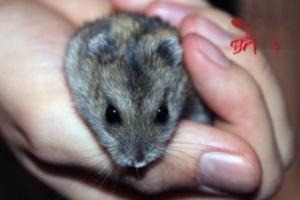
Can Hamsters Eat Vegetable Leaves?
Vegetable leaves add water and help hamsters cool off in summer, but only in moderation and always washed and dried, since excess moisture causes diarrhea. A few servings a week aid digestion and prevent constipation, with grains as the staple and millet or mealworms for balance. Hardy foods also help wear teeth. Avoid spicy vegetables like chili, onion, garlic, and leek, and never human leftovers or wilted, refrigerated greens, which can harbor bacteria and toxins.