Search Results
1512 results for “teeth”

Cat Health Checkup Guide (Part 2)
This second part walks through what actually happens during a cat checkup: the physical, laboratory, and imaging exams. Knowing the routine helps owners make informed decisions and give their cat a more secure, well-supported life.

Common Oral Diseases in Dogs
Many owners struggle with their dog's bad breath and the distress of dental pain. This article shares the common oral diseases behind that odor and how to prevent and treat them. From tartar and gingivitis to periodontal disease, cavities, broken teeth, and malocclusion, understanding the causes is the first step to a healthier mouth.

Why Does Your Cat Have Bad Breath?
A cat's normal scent varies (some say bread, popcorn), but a sudden stink—or a 'bio-weapon' yawn—means trouble. Cats groom constantly, so if the mouth smells, the fur smells after licking. Causes: (1) diet—strong seafood or cans cause brief odor; (2) plaque and tartar from uncleaned saliva and food debris; (3) gingivitis/stomatitis from oral bacteria (red, swollen molars); (4) poor digestion—eating too fast/full with weak enzymes and flora; (5) breath with a urine smell can signal kidney disease. Fixes: switch to healthier food, treat oral inflammation with vet-prescribed antibiotics, brush regularly (make it a habit), use probiotics for digestion, and get periodic dental checks.

What You Must Never Feed a Dog
Two clear poisons: grapes cause acute kidney failure, and chocolate's theobromine hits the central nervous system and heart, spiking the pulse to over double and risking coma or death. Also avoid sticky glutinous-rice foods—they cling to teeth and, because dogs bolt their food, can lodge in the throat and softly block the airway, causing choking. To stay safe, just feed formulated dog food, whose recipe is scientifically built for dogs.

Labrador Retriever Breed Standard
The Labrador is a strongly built, medium, short-coupled gundog with great endurance and a kind, friendly, intelligent temperament—equally a stable hunter and a family companion. Hallmarks: a short dense weather-resistant coat, an 'otter' tail, a clean head with a broad skull and moderate stop, and a powerful jaw. Males stand 22.5–24.5 in and weigh 65–80 lb; females 21.5–23.5 in, 55–70 lb (not for under-12-month dogs). The nose should be wide and well-pigmented (pink/none is a disqualification); eyes kindly brown; a balanced body with muscle, not fat, defines the working type.

Common Everyday Cat Illnesses
Five common cat issues: (1) Upper respiratory infection—cough, sneeze, runny nose (yellow discharge is a red flag), from cold or poor nutrition; prevent with warmth and good food. (2) Fleas—scratching and black specks after a bath; treat with a vet-recommended flea product. (3) Heartworm—intermittent vomiting, cough, wheezing, lethargy; prevent with monthly prevention and by controlling mosquitoes (the intermediate host) and clean water. (4) Periodontal disease—bad breath, drooling, only soft food; prevent with regular brushing/cleaning. (5) Obesity—oval loaf shape, jiggling belly, hard-to-feel ribs; leads to diabetes, lower-urinary disease, arthritis, hepatic lipidosis; feed measured meals and exercise.
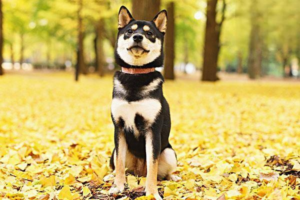
Everyday Dog Facts You Should Know
Useful norms: adult dogs run 37.5–38.5°C, puppies 38.5–39°C (low temp can be more dangerous than fever); adults have 42 teeth (28 baby by 2 months, full set by ~1 year—watch for 'double rows' needing vet help); adults sleep 10–15 hours, puppies ~20, in naps; front paws have 5 toes (including the vestigial dewclaw), rear have 4—trim dewclaw nails to avoid ingrowth; and dogs are red-green color-blind, seeing blue and yellow, judging traffic lights by brightness, not hue.

Are Dog Treats a Blessing or a Poison?
Treats come in many types. Meat jerky (chicken/duck/beef, dry or moist) suits most dogs—buy branded, dated, labeled ones. Functional treats include dental biscuits and chews (rawhide, pork/beef skin, plant protein) that clean teeth and pass time; size to the dog to avoid swallowing. Dairy treats need lactose-free choices for lactose-intolerant dogs. Natural chews (bones, rabbit ears) are popular but unpreserved, so buy small. Pick known brands with clear labels, check dates, and remember: staple food sustains alone; treats alone do not—and too many treats breed pickiness.

Why Dogs Chew Furniture and Steal Socks and Shoes
Destructive chewing usually starts with paper and books, then escalates to shaking like prey. Causes: boredom and curiosity (Huskies are infamous explorers), the teething phase at 16–24 weeks when sore gums drive chewing, and prey drive—left-on-the-floor shoes and clothes become 'prey' to shake and tear. Fixes: supervise and interrupt, train basic obedience with rewards, exercise the dog outdoors, give teething chews and a crate to block furniture, and redirect prey drive with tug ropes and scent mats instead of furniture.

Recipe: Raw Rabbit Bone-Meat Cat Food
Raw rabbit is a lean, novel-protein main meal many cats love and that suits those with sensitivities to common meats. The base is rabbit leg (about 80%) with heart and liver for organs, then the usual supplement set: taurine, calcium, a multivitamin, a little vegetable-and-fruit puree, alfalfa and kelp powder, probiotics, and salmon oil. Dice the meat, stir everything with cooled boiled water, portion one meal and freeze the rest. It takes under ten minutes.