Search Results
1512 results for “teeth”
Choosing the Best Dog Food for Senior Dogs (Age 7+)
Once a dog turns seven, its metabolism slows, digestion weakens, and organs such as the kidneys, heart, and liver begin to decline — so the right senior dog food matters more than ever. Look for a formula with at least 25% crude protein (30%+ is better), fat held between 8% and 15%, fiber under 9%, starch no higher than 32%, salt under 2%, and a calcium-to-phosphorus ratio of 1:1 to 2:1. Bonus nutrients like glucosamine, fish oil, and probiotics support aging joints, brains, and guts. Prefer wet food for dogs with poor teeth, transition gradually over seven days, and feed smaller meals. For dogs with heart, kidney, or diabetic conditions, a vet-guided prescription diet is safest.

Is It Normal for Cats to Swallow Kibble Without Chewing?
Cats that gulp down kibble without chewing are usually behaving perfectly normally, and it generally does not harm their digestion. This fast-eating habit is inherited from wild ancestors who swallowed prey whole to avoid losing it to rivals, while a cat's sharp, offset molars are built for tearing rather than grinding food the way human teeth do. Most modern kibble is formulated to be easily digestible, so whole swallowing is rarely a problem. However, a sudden shift to non-chewing, signs of mouth pain while eating, or undigested kibble appearing in the stool or vomit can signal dental disease or poor digestion. Choosing appropriately sized kibble, using a slow-feeder bowl, and offering chewy treats such as freeze-dried meat can encourage healthier eating. Keep an eye on your cat's habits and consult a vet if anything changes.

How to Feed a One-and-a-Half-Month-Old Chinchilla
A chinchilla at six weeks is weaned and ready to come home, but it is still fragile and needs careful feeding. Base the diet on hay and chinchilla pellets, with alfalfa hay as the young staple and the occasional timothy hay to ease the gut, and avoid treats before eight months. Feed small amounts several times a day, always provide fresh water via a bottle, keep the cage dry and clean, and give a multi-level cage with a wheel and regular free time.

Can a Guinea Pig Eat Itself to Death?
Guinea pigs are herbivores that need protein, dietary fiber, and vitamins to stay healthy. Although they are greedy eaters, they have a sense of satiety and will stop when full, so they will not literally eat themselves to death. Their digestion is sensitive, however, and overeating can cause diarrhea, bloating, or obesity. Owners should manage diet and exercise, avoid overfeeding and imbalance, and give the animal enough space and suitable toys to stay active.

Does Your Dog Have Bad Breath?
Picture never brushing your teeth - that is a dog's mouth. Oral disease is 70-80% of pet health issues, built slowly from food, saliva and bacteria forming plaque that mineralizes into tartar; the warm mouth breeds infection, gums recede and teeth break down, then bacteria enter the blood to reach the heart, liver and kidneys, even sepsis. If disease is already there, a pro must scale and clean under the gumline, then polish - unpolished teeth erode faster. Many clinics now offer anesthesia-free cleaning for mild tartar using imported devices. Daily prevention is cheapest: a grooming-visit dental cleanup, store-bought dental gel and water additive (a few dollars a month, well reviewed and safe), and dental chews or antler chews. Do not wait until treatment is costly.

Solving Dog Bad Breath
Dogs cannot brush or floss themselves, so food lingers, ferments and smells; over time bacteria build into plaque and tartar, the real source of odor. Fight it: wipe teeth with a soft towel or gauze and use a cotton swab with garlic juice for residue between teeth; use a dog toothbrush and pet paste (not human paste, which upsets the gut) brushing every surface, patiently easing a resistant dog in. Feed vitamin- and fiber-rich veggies and crisp dog biscuits or chews that scrub the teeth - Pekingese fed only soft meat miss needed wear. Have the vet check and scale when needed; bad teeth bring strong odor and hurt appetite and nutrition.
Cats Evolved in Deserts But Still Need Water
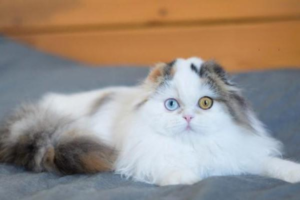
Wild cats get 70-80% of their water from prey, so a dry-kibble home cat that also refuses water faces real danger. A cat needs about 40-60 ml per kg of body weight daily (a 4 kg cat: 160-240 ml). Low intake concentrates urine and triggers a chain of trouble: bladder and urinary disease, kidney disease, cystitis, even life-threatening urethral blockage. Check dehydration by skin elasticity (slow rebound) or gums (sticky when dry). Boost intake with wet food, raw meat if skilled, a fountain for moving water, or a syringe; never give tap water - use cooled boiled or purified to avoid parasites.

What Are the Signs a Guinea Pig Is Unhappy?
Guinea pigs are sensitive little animals, and unhappiness shows up as reduced appetite, low activity, unusual silence, refusing contact, and frequent teeth grinding or cage chewing. Common causes include lack of social contact, an uncomfortable environment, too little exercise, unmet food or water needs, or underlying illness. If your guinea pig seems down, improve its surroundings, add social time, offer good food, and encourage activity. If that does not help, have a veterinarian check for pain or disease. Learning to read these signals is the key to keeping a guinea pig happy and healthy.

Dog Food vs Supplements: What’s the Difference?
Dog food is a complete staple designed by pet nutritionists to meet a dog's basic life, growth and health needs - balanced, digestible, convenient and even disease-preventing. Supplements fill specific gaps: vitamins, proteins, calcium, goat-milk powder, coat and pigment support, aiding development and recovery from illness. The rule is food first, supplements second - even good food is not 100% absorbed, so supplements help. But add them only when needed: large breeds needing calcium for joints or baby teeth, picky or single-diet dogs needing vitamins/minerals, weak or sick dogs (B-vitamin for some skin issues, probiotics for gut), and life-stage needs like goat milk for weaned pups. Over-supplementing backfires into allergy or obesity.

Can You Bathe a 2-Month-Old Kitten?
Bathing a 2-month-old kitten is generally not recommended. A kitten's immune system is still developing and its skin is delicate, so a bath can cause chills, skin irritation, or infection. At this age, routine cleaning—ears, teeth, and claws—is enough. If a kitten is genuinely dirty or greasy, a warm, damp cloth is safer than full immersion. Should a bath be truly necessary, keep the water warm, be gentle, avoid the eyes and ears, and dry the kitten thoroughly afterward to prevent chills. Here is what every new owner should know about the risks and the safer alternatives.