Search Results
1512 results for “teeth”
Can a Chinchilla Eat Only Alfalfa Hay?
Feeding a chinchilla only alfalfa long-term leads to poor nutrition and health problems. Chinchillas are omnivores that need variety—grass hay, dried fruit, nuts, vegetables, and fruit—to meet all their needs. Needs also change with age: youngsters need more protein and calcium for fast growth, while adults need high-fiber hay to aid digestion and wear their teeth. Use alfalfa mainly for juveniles and shift adults toward timothy hay.
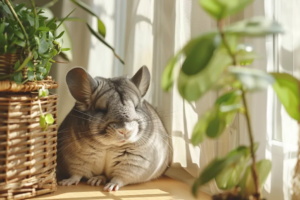
How to Handle a Chinchilla in Frequent Heat
Chinchillas breed readily, and frequent heat can make both owners and pets uncomfortable. Adult males are almost always ready to mate, while females come into heat about once a month, becoming noisy and restless. If you plan to breed, provide a quiet, well-prepared environment and proper nutrition; if not, separate cage-mates, offer chew toys and interaction to burn energy, and consider neutering. Because repeated heat shortens a chinchilla's lifespan and raises stress, neutering is the most fundamental, health-protecting solution for non-breeding pets.

Can Dogs Get Annoyed With Their Owners?
Dogs can grow weary of their owners, but it is less 'annoyance' and more that the owner's interaction style has become a source of stress. Endless hugging, kissing, or disturbing a dog's rest can raise its cortisol level by 27%–42%, leading to refusal to interact, ignored commands, sudden warmth toward strangers, or even furniture-chewing as a silent protest. The remedy is healthy boundaries: learn the dog's 'emotional threshold' signals—yawns, nose licks, a turned back, avoided eye contact—then stop and give it space, keep a predictable routine, and spend quality time outdoors together.
Is Your Cat Hard to Bond With? (Signs and What to Do)
A cat that seems impossible to bond with is rarely born defiant—it usually shows clear behavioral clues and a hidden reason behind them. Such a cat refuses close contact, pretends not to hear its name, guards its food, claims a corner as territory, hides constantly, or even tries to escape. The causes range from a strong independent nature and sex differences to a stray past marked by abuse or the mood swings of an unspayed cat. The fix is patience: give the cat space, build trust through food on a fixed schedule, avoid sudden stimuli, and consider pheromone sprays. Most 'untamable' cats will gradually accept you when treated with respect.
How to Raise a Social, Confident Kitten
A confidently social cat is not born that way—it is shaped during the socialization window of 2–7 weeks after birth, when a kitten's brain is most open to new people and experiences. During this period, gradually acclimate the kitten to its home, then to the outside world and strangers; get it used to being touched on paws, mouth, and ears so future grooming is easy; and invite gentle friends to interact on the cat's terms. If you missed the window, an adult cat can still learn with extra patience, treat-based trust, calming tools, and perhaps a calm 'social mentor' companion. Always respect the cat's individual personality.

Do Dogs Actually Hate Their Owners?
Dogs rarely truly hate their owners; what looks like dislike is usually a response to neglect, coldness, or harsh scolding. A dog that is ignored, criticized, or treated roughly may act aloof, have accidents in the house, or even growl. Often it is simply expressing unmet emotional needs. Pay attention to your dog's feelings, build regular positive interaction, and remember that sudden unfriendliness can also signal pain or illness that warrants a veterinary check.

Why Is My Cat’s Tooth Wear So Severe?
Heavy tooth wear in cats can be normal or a warning sign. There are two kinds: physiological wear from chewing, biting, and tooth-on-tooth contact—an unavoidable part of aging that does no harm—and pathological wear from poor bite alignment, bad chewing habits, or over-brushing that wears teeth unevenly or excessively. Causes include under-developed tooth structure, a hard-food or inappropriate-chewing habit, and age. When wear is fast or extreme, it may point to tartar or gingivitis, which need a vet. Protect your cat's mouth with a balanced diet (some dry and some wet food, but no constant hard chewing), regular oral checks, and proper brushing with cat-safe toothpaste and a suitable chew toy.
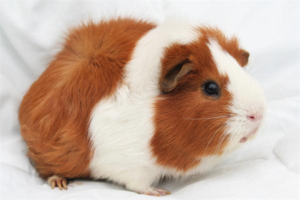
How to Supplement a Pregnant Guinea Pig’s Diet
A pregnant guinea pig eats more—that is normal, as she adjusts her intake to feed the growing babies. But overfeeding risks oversized fetuses and a difficult birth, so balance matters. Aim for about 18% protein from quality sources (fish meal, meat-and-bone meal), plenty of calcium, phosphorus, zinc, and iron, and vitamins A, C, D, E, and K. Vary the feed to keep it fresh and appetizing, and raise the daily amount gradually—roughly 10% more in early pregnancy and 20% more later. Keep feed dry, fresh, and mold-free, and watch her appetite, mood, and droppings daily. Good nutrition and management are what produce healthy, lively pups.

Bichon Frise: Pros and Cons to Consider Before Adopting
The Bichon Frise is a small, fluffy, friendly companion that rarely sheds and suits apartments and families. But it is not the easiest breed to live with: tear stains are almost inevitable, its curly coat needs constant grooming, it is prone to separation anxiety, and its delicate constitution means sensitive digestion and frequent dental issues. Weigh these pros and cons before bringing one home.
Signs Your Dog Is Getting Old
A dog's life spans only a little over a decade, and aging creeps in through everyday details rather than all at once. The earliest changes are white muzzles and cloudy eyes, followed by dental trouble, shifting personality, and less stamina. Because organ function declines with age, seniors also show digestive and urinary changes. Spotting these signs early lets you give your older dog the comfort and care they deserve.