Search Results
84 results for “tank lighting”
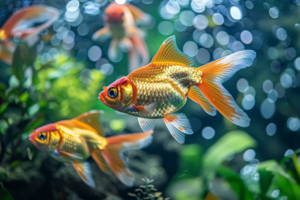
How to Prevent Drop-Eye in Arowana
Prevent arowana drop-eye with floating food, even lighting, a lower water level, calm surroundings, and surface float toys to keep eyes up.

Common Arowana Eye Problems
An arowana's eyes reveal its health. Know the three common issues - drop-eye, popeye, and cloudy eye - and how lighting and water quality cause and fix them.
How many hours of light do aquarium plants need daily?
In the first week give plants 3 to 4 hours of light (fluorescent); week two 5 hours; from week three, 8 to 10 hours for photosynthesis. Keep a fixed lighting schedule.
How Many Hours of Light Does an Arowana Need per Day?
An arowana needs 6 to 8 hours of light per day. Too little light hurts coloration, while too much affects its health and mood.

Arowana Lifespan and Why They Die Early
Wild arowana can live 30 years or more, but captive fish often die young at just 6 to 7 years because of weak breeding, over-emphasis on looks, poor water quality, and stress. Stable, well-filtered, slightly acidic water and a natural approach help them live longer.

Common Causes and Remedies for Arowana Drop-Eye
Drop-eye in arowana is the downward displacement of the eye caused by excess orbital fat, mainly from uneven lighting, overfeeding, sinking feeds, and a tank set too high. It is cosmetic rather than life-threatening, but can be corrected by switching to floating feeds, balancing the light, cutting fat, wrapping the tank, or surgery in severe cases.

Red Arowana: Morphology and Color-Enhancement Tips
The red arowana's most distinctive feature is the red patch on its gill cover; juveniles are silver with pink scale edges and turn golden-red as adults. Color develops in stages and responds to environment, temperature (26–30°C) and diet — astaxanthin and carotene help, while young chili-red arowanas should avoid color-enhancing foods until their green base deepens.
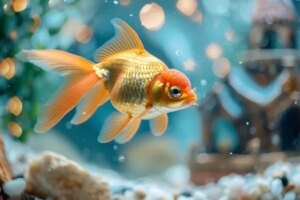
How to Keep Goldfish: Methods and Precautions
More people keep pet fish, and goldfish are a favorite — but beginners lacking experience often fail to keep them alive. Here are methods and tips to raise goldfish and improve survival, for new keepers.
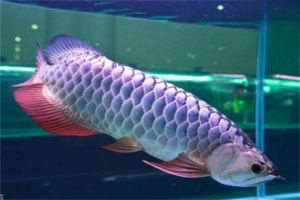
Silver Arowana: Morphology and Breeding Methods
The silver arowana is all silver, peaceful and easy to keep, but grows fast and can exceed 1 m, so it needs a spacious tank. It is a mouth-brooder: choose one healthy male (6–8 yrs, 50–60 cm) and one female (7–9 yrs, 40–50 cm), keep the tank absolutely quiet during spawning, and the male will carry 40–50 fertilized eggs in his mouth for about two months.

Arowana Care Guide
Arowana have many keepers, but they are delicate and timid, so good care is not easy. Here are some daily management tips that help keep arowana healthy.