Search Results
84 results for “tank lighting”

How to Prevent Arowana Drop-Eye
To prevent arowana drop-eye, the most important thing is to control and balance the lighting so it stays even, feed the arowana with higher-buoyancy foods, and avoid having children or small pets playing and moving near the tank. In short, the key is to stop the fish from looking downward for prolonged periods, since chronic downward gaze easily leads to drop-eye. Below, our veterinarian explains in detail how to prevent it.

What Does Arowana Drop-Eye Mean?
Drop-eye is a normal physiological phenomenon in arowana, common in fish kept in aquariums, and silver arowana are even more prone to it. Drop-eye does not affect health but seriously impacts appearance and reduces ornamental value. Keepers should take preventive measures. Our veterinarian mainly introduces the causes of arowana drop-eye to help with prevention.
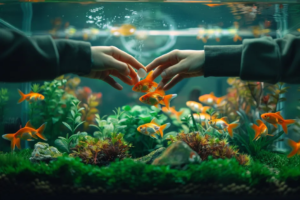
Common Causes of Arowana Drop-Eye
Causes of arowana drop-eye can be divided into congenital causes, in-tank factors, and out-of-tank factors. However, drop-eye is a normal physiological phenomenon during growth, not a sign of disease. Our veterinarian helps you understand the causes in detail.
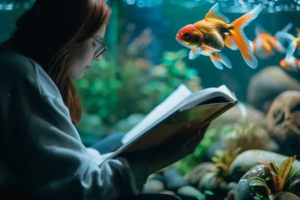
What Causes Arowana Drop-Eye?
Arowana drop-eye is a common condition when keeping these fish, generally caused by the fish looking downward for long periods. There are many reasons the eyes turn downward, and drop-eye seriously affects the fish's ornamental value. Our veterinarian introduces the common causes so keepers can prevent it based on the specific cause.

What Is the Best Water Temperature for Keeping Blood Parrot Cichlids?
The blood parrot cichlid, with its chubby body, soft fins, and bright red color, is loved by fish keepers. What is the best water temperature for keeping them? Today our team explains the temperature and care methods.

Secrets to Coloring Your Arowana
Arowana color comes from four things working together: diet (carotenoid-rich foods carried via feeder insects), lighting (a dark background plus side lighting), stable water, and temperament (confident fish color best, so avoid mixed stocking). Consistency over time is what makes the difference.

Why Do Blood Parrot Cichlids Always Stay in the Corner?
Parrot cichlids staying in a corner may be from water/temperature, low oxygen, or just arriving home and not adapting. Our team explains the causes and solutions.
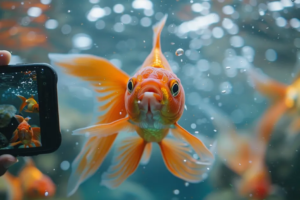
How Arowana Coloration Works
An arowana's vivid color comes from pigment cells in its skin, shaped by light, environment, mood, and hormones. Early coloration is driven mainly by the environment—especially lighting that reaches into the water—while hormones matter more as the fish matures and during breeding. Use white light when young and add red light later to deepen and widen color; golden arowana mainly need white light plus a warm-yellow light once mature.

Favorable Conditions for Arowana Coloration
Good arowana color rests on five pillars: a pure bloodline, stable and clean water, a dark yet well-lit tank with combined top and side lighting, varied and nutritious feeding, and a balance of slow and fast growth. Patience is essential, because coloration is a long, gradual process.

Why Arowana Lose Color and the Risks of Forcing Quick Coloration
Arowana can fade because of heat, poor water quality, or long-term pigment feeds, and some fading is permanent. Many keepers chase rapid, vivid color, but the tricks used—restricted feeding, lower temperature, lower pH, reduced water flow—stunt the fish's growth and rob it of its natural stature. Balanced development matters more than looks.