Search Results
123 results for “tail wag”

What Your Dog’s Tail Position and Movement Reveal
Dogs come in all shapes and sizes, and their tails vary just as much in length and form. But one thing is the same across every dog: the tail is one of their ways of expressing emotion. Dogs communicate through the state of their tail. Here we explain what different tail positions and movements mean, to help you understand your dog more deeply.
Why does a dog raise its tail?
A raised, wagging tail shows excitement and joy; a lowered, tucked tail shows fear or unease. Raised tails also appear in females in heat seeking to mate.

What Does It Mean When a Cat Flicks Its Tail Quickly?
Cats wag their tails in many situations, usually tied to mood. For example, a cat feeling tense or uneasy will often flick its tail rapidly. This article explains the common meanings behind a cat's tail movements.

How to Read Your Dog’s Tail Language
A dog's tail shows emotion, but wagging alone is not enough — it can mean happy, scared, angry or confused. A horizontal big sweep with a curved body invites play; a lowered wag with a bark warns you off; a tucked tail signals fear, submission or pain; a stiff raised tail with a hard stare means hostility. Read the whole posture to understand your dog.
What happens to a dog without a tail?
A tailless dog may be affected physically, since the tail is an important social tool used to express emotions by wagging. Without it, communication with other dogs may suffer. The tail also helps with balance during chasing, jumping, or turning, and helps regulate body temperature in extreme weather.
What Does a Dog’s Tail Do When It Is Very Scared?
When scared, nervous, or uneasy, a dog usually drops its tail, holds it against the body, or tucks it between the legs; it will not wag or raise it. The tail expresses emotion--happy dogs wag or raise it, but scared ones tuck it to avoid releasing anal secretions that reveal their state.

What Causes Wet Tail in Hamsters?
Wet tail in hamsters comes from dirty water, poor cage hygiene, stress and anxiety, or disease such as enteritis and parasites. The clearest sign is a wet tail plus hair loss, redness, and itching; untreated, it can ulcerate. Treatment targets the cause—warmth and cold medicine, easily digested food and probiotics for gut issues, deworming for parasites—and a clean, dry, roomy home prevents it.
What is a money-tail dog like?
A money tail curls up into a ring like a coin. Such dogs are seen as fierce, brave, human-loving and very loyal, so popular. The tail looks cute, wags as they walk, and staying up keeps it clean of feces, easing the owner's work.
What does a dog’s tail do when it is alert?
An alert dog wags its tail slowly and stares at surroundings or strangers. If it meets a clearly stronger animal and feels afraid, the tail drops and tucks between the legs. Do not approach a tail-tucking dog to avoid bites. If afraid of a new place, comfort it or take it somewhere familiar to avoid stress.
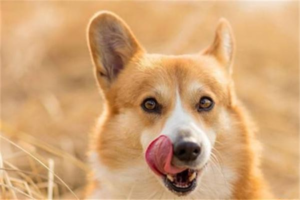
Is It OK Not to Dock a Corgi’s Tail?
Corgis can absolutely keep their tails. They're born with them; docking began because working herders wanted to avoid tail injuries and aid movement. Today, as family pets, most corgis have no need for it—and many are docked only because owners like the look. But the tail matters: it helps with balance, expresses emotion, and its removal can affect wellbeing and even invite bullying. The surgery also carries pain and infection risk. Unless necessary, leaving the tail is the kinder, healthier choice.