Search Results
123 results for “tail wag”
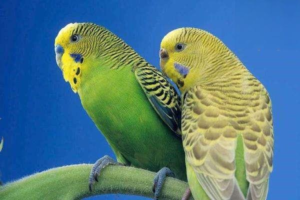
How to Tell If Your Budgerigar Likes You
Budgerigars (shell parakeets) are naturally wary of people, but patient handling turns fear into real affection. A bird that likes you will nuzzle into your hand, flutter its wings in place, wag its tail, or relax its body near you; a stiff, puffed, restless posture means it still feels unsafe and needs more space and time.

Reading the Signals Your Dog Uses to Communicate
Dogs can't speak, but they signal a wish to connect through barking with a wagging tail, tugging your pant leg, or locking eyes on you. Learning these cues helps you meet your dog's needs and deepen the bond.

How Dogs Communicate
Dogs are pack animals that read rank and show love through instinct, scent, and body language. A wagging tail, a rolled-over belly, or a tucked tail each say something specific — learning these signals helps you respond to your dog's feelings.

Confusing Cat Behaviors and Body Language
A cat's tail, ears, and posture send a mix of signals that are easy to misread: a slow, broad tail wave with purring means contentment, while a hard, fast wag with flattened ears means a fight is coming. Learning cues from the belly-up trust display to the crouched launch pose helps you read what the cat really wants.

Do Dogs Really Smile?
The internet is full of funny dog smile photos; the Samoyed's angel smile and the Shiba's healing smile once made them trendy, and many homes got Samoyeds and Shibas because of it.
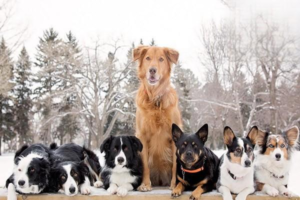
Decoding Your Dog’s Bizarre Behaviors
After getting a dog, some behaviors are hard to explain by common sense: howling at street calls like a wolf, barking at empty air at midnight, dragging food out of the bowl, chasing birds, sighing like a human. Why? Let's see.
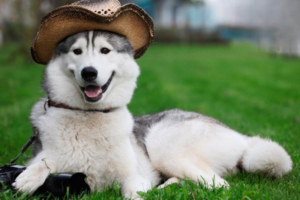
Why Training a Dog Needs a Prelude
Have you seen owners pin a disobedient dog on its back, belly up, to scold and train it? They think it's control and better training - because a dog exposing its belly looks submissive. Let's see why training needs a prelude.

5 Puzzling Dog Behaviors Explained
Dogs do many odd things — sniffing rear ends, tilting heads, scooting, licking, and play-bowing. Most are normal communication or self-soothing, though some can signal health issues.

The Secrets of Dog Breeding: Heat Timing and Signs
Dogs reach sexual maturity at different ages by size and then cycle into heat. This guide covers when small, medium, and large dogs first heat, the three stages of a female's cycle, and hygiene during heat.
How can I stop a German Shepherd from attacking people?
Attacks usually stem from poor socialization; expose it to varied situations and correct early signs on a leash. Obedience training and rewards build control.