Search Results
123 results for “tail wag”

When Does a Dog Wag Its Tail Excessively?
Tail wagging is a dog's way of expressing feeling. Happiness, excitement, and greeting owner or stranger are common triggers, as are play, rewards, and curiosity about something new. The speed, posture, and rhythm carry different meanings—a loose, broad wag signals joy, while a stiff, high tail can be a warning. Learning to read the tail helps you respond to your dog's emotions correctly.
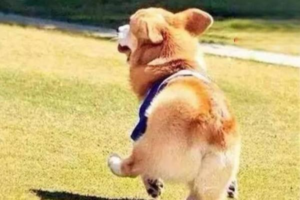
The Pros and Cons of Docking a Dog’s Tail
Tail docking grew from old working-dog needs but is now banned as inhumane in many countries, and pet dogs gain little from it. Beyond the surgical risks, losing the tail blunts a dog's main social signal and can leave painful neuromas, so most veterinarians advise against it.

Does a Cat Know Its Tail Belongs to It?
Kittens chase their tails out of pure instinct and hunting play, but as they mature they come to understand the tail is part of their own body. The tail is unusually sensitive — built from 18–23 vertebrae, voluntary muscle, and a dense web of nerves — which is why it can twitch on its own and why cats sometimes seem to 'fight' it. Occasional chasing is normal, but sudden, frantic biting at the tail with signs of distress warrants a vet check.

What Is Dog Tail Docking?
Tail docking is surgically shortening a dog's tail, producing a docked tail.

Common Tail Positions of Cats and Dogs
A cat's tail shows defense, anger, fear, or joy, while a dog's wag, drop, or stillness signals friendliness, danger, or unease. Learning tail language helps you understand your pet.
What are the signs of a tail fracture in a Teddy?
A fractured Teddy tail shows pain, dysfunction, and deformity. From severe pain, the tail may not rise or wag and just droops; touching it brings a strong or avoiding reaction. See a vet for an X-ray; if confirmed, treat with external fixation or surgery by severity.
What happens if a cat’s tail is dislocated?
A dislocated tail causes pain, bending, and limited movement, so the cat can't wag normally. The tail becomes sensitive and the cat may turn irritable or aggressive when touched. Get an X-ray at a vet to locate and grade the dislocation, then treat.
What Happens If a Teddy Has No Tail?
The tail balances the dog in motion and signals emotion; a tailless Teddy may walk unsteadily and communicate less well with other dogs, hurting its social life.
Why does my dog hold its tail up?
Dogs raise their tails in many cases: when happy they raise and wag, a way to show joy; when threatened they raise it into alert and defense; and when curious about something they also raise it. Tail posture is an important way dogs express emotion.
What functions does a dog’s tail serve?
A dog's tail is important for balance during fast running and is a key signal of emotion. It wags when happy and drops when angry or fearful, and helps communicate with other dogs.