Search Results
809 results for “tail rot”

What Different Parrot Biting Behaviors Mean
Parrot biting has many meanings—besides calling and eating, the beak defends, attacks, explores, and plays, so the meaning is complex. Our team details biting from various causes.
What Nutrients Do Parrots Need?
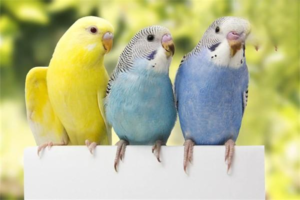
Parrots need ample nutrition to survive and breed—protein, fat, vitamins, carbs, minerals. Only with enough can they meet survival, growth, and breeding needs. Our team details the required nutrients and their roles.
What to Do When a Parrot Fish’s Mouth Is Swollen
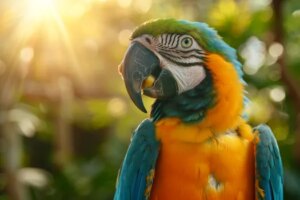
A parrot fish's swollen mouth is usually a fight wound that self-heals, or head-hole disease needing isolation and medication. Keep water clean.

What Causes Black Spots on a Parrot Fish?
Black spots on a parrot fish come from dirty water, low temperature, or black spot disease. Clean the tank, warm the water, or use a salt bath depending on the cause.

Common Diseases of Parrot Fish
Parrot fish commonly get head-hole disease (highly contagious, fatal), black-spot disease (fungus, most common), and red-skin disease (bacterial). All trace to poor water or temperature; treat with salt baths, yellow powder, potassium permanganate, and clean warm water.

What Affects a Parrot’s Breeding Condition?
Breeding condition is driven by light, diet changes, petting, and a dark nest site. To trigger it: give sun plus a dark box; to suppress it: shorten light, add toys, cut rich food, avoid showers and private-area petting, and remove nest material.
What do red swordtails eat?
In the wild red swordtails eat small fish, shrimp, crabs, and earthworms, plus some shellfish and algae. In captivity, pellets can be the staple with live food and vegetables added; always disinfect live prey.
What fish can be kept with parrot fish (blood parrot)?
Good tank mates for parrot fish include the oscar (map fish), red-tailed shark (fortune fish), silver arowana, and flowerhorn. Oscars are lazy and won't fight; fortune fish are gentle and dodge attacks; parrot fish stay at the bottom while silver arowana swim mid-to-upper, so they rarely conflict.
How Long Does It Take an Arowana’s Broken Tail to Heal After a Fight?
Recovery from a broken tail depends on the damage: minor cases heal in days, severe ones may take 1 to 2 months. Juvenile arowanas recover faster.

Bronze-winged Parrot
The Bronze-winged Parrot (Pionus chalcopterus), also called the Living Rainbow, gets its name from its deep blue-purple body and bronze head and neck. It inhabits tropical and subtropical forests at elevations of 500–2000 m.